
Prep Your Home for Winter with Our Fall Maintenance Checklist
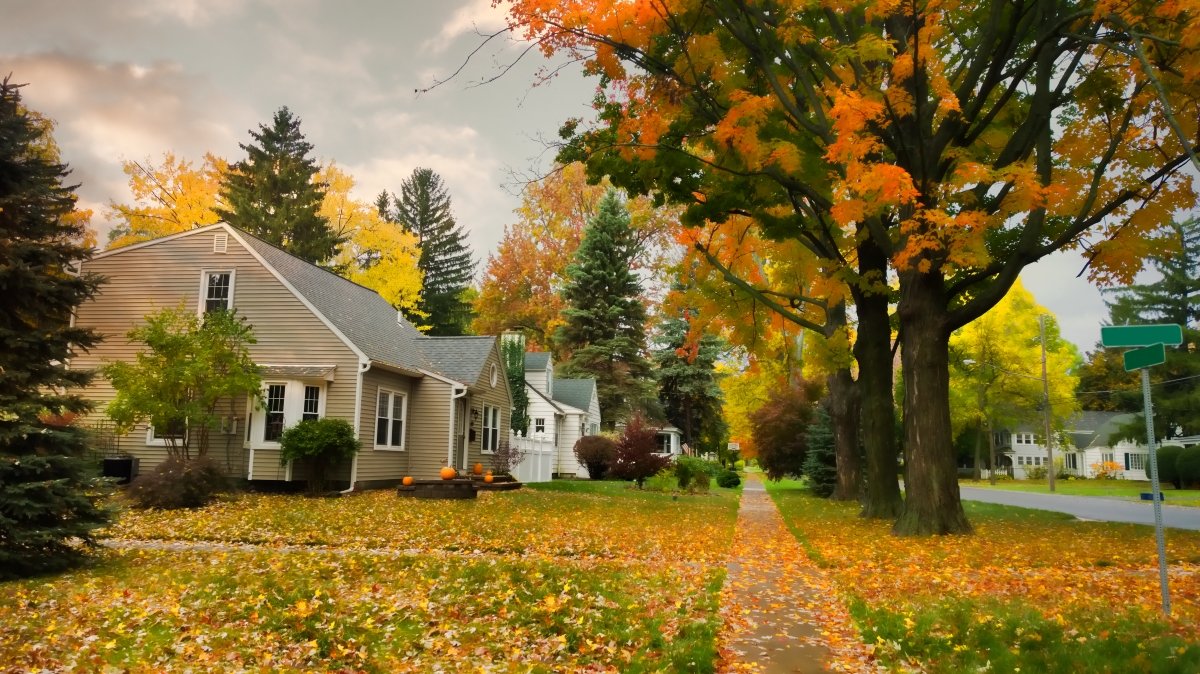
Fall Maintenance Matters
Preparing your home before winter arrives can help prevent damage, improve efficiency, and give you peace of mind when colder weather moves in.
Summary
As temperatures begin to drop, fall is the perfect time to prepare your home for winter. Completing a fall home maintenance checklist can help homeowners identify small issues before they become costly repairs during the colder months. From cleaning gutters and inspecting your roof to checking smoke and carbon monoxide detectors, a little preparation now can help prevent water damage, improve energy efficiency, and keep your family safe throughout the fall and winter seasons.
Need Help Getting Your Home Ready for Winter?
Baney Construction & Restoration helps homeowners throughout Northern Illinois prepare for winter with professional roof inspections, gutter services, siding repairs, and exterior maintenance. Contact our team today for a free estimate and make sure your home is ready for the winter ahead.
Why Fall Home Maintenance Matters
Fall maintenance is about more than preparing for cooler weather. It gives homeowners an opportunity to inspect their property and address problems that could become worse once freezing temperatures arrive.
Regular maintenance can help:
Help prevent water damage
Reduce the risk of expensive repairs
Improve home energy efficiency
Extend the life of your roofing system
Protect your siding and gutters
Keep your home warm during winter months
A fall home maintenance checklist can help you stay organized and make sure no important tasks are overlooked.
Inspect Your Roof Before Winter Weather Arrives
Your roof is your home's first line of defense against snow, ice, wind, and rain. Fall is a good time to inspect your roof for signs of wear and damage.
Look for:
Loose shingles
Missing shingles
Damaged flashing
Sagging areas
Signs of leaks in the attic
Excessive granule loss
Even minor roof damage can allow water to enter your home during winter storms. If you notice concerns or cannot safely inspect your roof, hire a licensed professional to perform a thorough inspection.
Check Your Gutters and Downspouts
Gutters and downspouts direct water away from your home. When gutters become clogged with wet leaves and debris, water can overflow and cause damage to your roof, siding, foundation, and landscaping.
Remove leaves, twigs, and other debris from your gutter system and verify that downspouts direct water away from your home.
Proper gutter cleaning can help prevent:
Water damage
Ice dams
Foundation issues
Siding damage
Basement moisture problems
Inspect Siding and Exterior Surfaces
Walk around your home and inspect the siding for cracks, loose panels, gaps, or signs of moisture intrusion.
Pay close attention to:
Areas around windows and doors
Trim and fascia boards
Exterior vents
Window wells
Small openings can allow water and colder air to enter your home once winter temperatures arrive.
Seal Windows and Doors
Drafty windows and doors can increase energy costs and make it harder to keep your home warm.
Inspect weatherstripping and caulking around windows and doors. Replace damaged materials and install a door sweep where necessary.
Proper sealing can:
Reduce drafts
Lower heating costs
Improve comfort
Help prevent moisture intrusion
Check Your HVAC System and Furnace
Your heating system will work harder during the fall and winter months. Fall is also a good time to schedule HVAC maintenance before colder temperatures arrive.
Check your HVAC system by:
Replacing the furnace filter
Cleaning air vents
Testing the thermostat
Inspecting heating equipment
Scheduling professional maintenance if needed
A clean furnace filter helps improve airflow and can extend the life of your heating system.
Test Smoke and Carbon Monoxide Detectors
Smoke and carbon monoxide detectors are critical safety devices, especially when furnaces, fireplaces, and other heating equipment are in use.
Test all smoke and carbon monoxide detectors throughout your home and replace the batteries if necessary.
Carbon monoxide is odorless and can build up in an enclosed space without warning. Working monoxide detectors help provide early detection and peace of mind.
Inspect Your Fireplace and Chimney
If you use a fireplace during the winter, schedule a chimney inspection before regular use begins.
A chimney sweep can identify:
Creosote buildup
Blockages
Structural issues
Ventilation concerns
Professional chimney cleaning helps reduce the risk of a chimney fire and ensures smoke exits your home properly.
Check Fire Extinguishers
While inspecting your fireplace and heating equipment, check fire extinguishers throughout your home. Verify they are fully charged and easily accessible.
Protect Outdoor Plumbing From Freezing Temperatures
Frozen pipes can cause extensive water damage during winter weather.
Before freezing temperatures arrive:
Disconnect garden hoses
Drain outdoor faucets
Shut off exterior water supply lines if applicable
Store hoses indoors
Leaving a hose attached to an outdoor faucet can increase the risk of frozen pipes and costly repairs.
Prepare Your Yard for Fall and Winter
Your home and yard both benefit from seasonal maintenance.
Important outdoor tasks include:
Rake leaves regularly
Fertilize the lawn
Winterize the sprinkler system
Clear debris from walkways and driveways
Trim overhanging tree branches
Keeping walkways and driveways clear can improve safety during snow and ice events.
Reverse Ceiling Fans
Many homeowners overlook this simple maintenance tip.
Set ceiling fans to rotate clockwise during colder months. This helps push warm air back down into living spaces and may improve comfort while reducing heating costs.
Review Your Insurance Coverage
Fall is a good time to review your insurance policy and verify your insurance coverage is adequate.
Make sure you understand:
Roof coverage
Storm damage coverage
Water damage exclusions
Deductibles
Claim procedures
Understanding your policy before a winter storm occurs can save time and frustration later.
Final Thoughts
Preparing your home for winter does not have to be complicated. Following a fall home maintenance checklist helps homeowners identify issues early, protect their property, and avoid expensive repairs during the colder months. From inspecting your roof and cleaning gutters to checking smoke and carbon monoxide detectors, these maintenance tasks can help keep your home safe, comfortable, and ready for whatever winter brings.
Schedule a Fall Roof Inspection with Baney Construction & Restoration
Want professional help preparing your home for winter? Baney Construction & Restoration provides roof inspections, gutter services, siding repairs, and storm damage restoration throughout Northern Illinois. Contact us today for a free estimate and let our team help get your home ready for winter.
Frequently Asked Questions
What is included in a fall home maintenance checklist?
A fall home maintenance checklist typically includes roof inspections, gutter cleaning, HVAC maintenance, chimney inspections, detector testing, weatherstripping, yard cleanup, and winterizing outdoor plumbing.
How often should gutters be cleaned in the fall?
Most homeowners should clean gutters at least once during the fall season. Homes with heavy tree coverage may require additional cleaning as leaves continue to fall.
When should I schedule a roof inspection before winter?
Fall is generally the best time to inspect your roof before snow and freezing temperatures arrive. Addressing problems early can help prevent winter-related damage.
Why should I check smoke and carbon monoxide detectors in the fall?
Heating equipment is used more frequently during colder months. Working smoke and carbon monoxide detectors help alert occupants to potential hazards before they become dangerous.
Can a professional help with fall home maintenance?
Yes. Roofing contractors, HVAC professionals, chimney sweeps, and exterior maintenance specialists can inspect and repair issues that homeowners may not be able to safely address on their own.