
Roof Ventilation & Attic Insulation Problems in Rockford IL
Rockford Roofers Know Insulation Inside and Out
From ice dam prevention to energy savings, local contractors understand how proper insulation keeps homes in northern Illinois comfortable and efficient.
Summary
Many roofing problems in Northern Illinois start in the attic. Poor attic insulation, blocked soffit vents, bad roof ventilation, and trapped moisture can lead to ice dams, condensation, mold, missing shingles, and costly structural damage. Rockford homeowners should have regular roof inspections to identify ventilation and insulation problems before they turn into major damage.If your roof and attic are not working together as one roofing system, your home may be losing energy efficiency while allowing moisture buildup and temperature swings that shorten the life of your roof.
Need a free roof inspection in Rockford IL or Northern Illinois? Contact Baney Construction & Restoration, Inc. for a thorough inspection of your roof, attic ventilation, insulation, shingles, gutters, soffits, and overall roofing system.
How Roof Ventilation Affects Homes in Rockford IL
In Northern Illinois and nearby Wisconsin areas, snow, ice, wind, and rapid temperature changes put extra stress on residential roofing systems. Rockford’s climate creates conditions where attic ventilation and attic insulation play a major role in protecting your home.
When warm air rises into the attic and cannot properly exhaust through ridge vents, gable vents, or other roof ventilation systems, condensation can develop under the roof deck and around rafters. Over time, that moisture can lead to rot, mold, moist insulation, damaged sheathing, and even leaks inside the ceiling.
Top roofing companies in Rockford IL know that a roof inspection should include both the exterior roof and attic areas because many problems are hidden beneath the shingles.
Common Signs of Poor Roof Ventilation
Rockford homeowners should watch for these warning signs:
Ice dams forming along gutters
Excessive attic heat during summer
Condensation on nails or rafters
Mold growth in the attic
Missing shingles after wind or storm damage
Moist fiberglass attic insulation
Water stains on ceilings
Ice buildup near soffits
Aging asphalt shingles curling early
High heating and cooling costs
These issues often point to blocked intake ventilation, poor exhaust airflow, or insulation problems.
Why Ice Dams Form on Northern Illinois Roofs
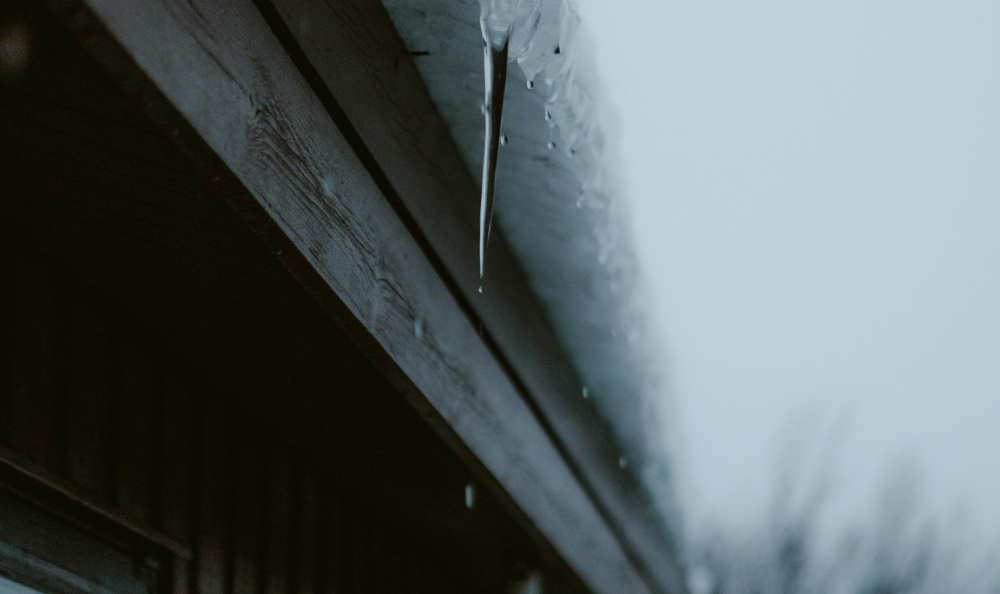
Ice dams are one of the most common winter roofing problems in Northern Illinois. They happen when heat escapes into the attic and warms the roof unevenly. Snow melts on the warmer upper slope of the roof, then refreezes near the colder roof edge and gutter area.
This creates thick ice buildup that traps water behind it.
What Ice Dams Can Damage
Ice dams can cause:
Roof leaks
Interior ceiling damage
Gutter damage
Moisture intrusion
Structural wood rot
Mold growth
Damaged shingles
Nail pops
Damaged soffit areas
A proper combination of attic insulation and attic ventilation helps maintain a cooler roof surface so snow stays frozen evenly across the roof.
How Roofing Experts Inspect Roof and Attic Systems
Professional roof inspections should go beyond just looking at shingles. Experienced roofing experts inspect the full roofing system to identify hidden moisture and ventilation issues.
Areas Commonly Inspected
Attic Insulation
Insulation should form a consistent layer across the attic floor without gaps, compression, or moist areas. Wet fiberglass insulation loses energy efficiency and can allow condensation problems to worsen.
Ridge Vent and Soffit Ventilation
A balanced soffit and ridge vent system allows cooler intake air to enter through the soffits while warmer air exits through ridge vents. This continuous airflow helps ventilate the attic properly.
Roof Deck and Sheathing
Roofing professionals inspect roof sheathing and rafters for moisture stains, mold, rot, or nail corrosion caused by trapped condensation.
Exterior Roofing Materials
Asphalt shingles, metal flashing, vents, gutters, and roof penetrations are checked for storm damage, aging, and possible leak areas.
Why Roof and Attic Problems Often Happen Together
Many homeowners think a leak automatically means they need a new roof. In reality, attic ventilation and insulation problems often contribute to roofing damage.
Without proper airflow:
Heat rises into the attic
Moisture gets trapped
Condensation forms
Ice dams develop
Shingles age faster
Structural materials stay moist
Mold can spread
This is why top roofing companies in Rockford IL treat the roof and attic as one connected system.
Roof Ventilation Systems Used in Northern Illinois
Different homes require different roof ventilation solutions depending on roof slope, attic layout, and existing roofing materials.
Common Ventilation Components
Ridge Vents
Installed along the roof peak to allow warm air exhaust.
Soffit Vents
Installed under soffits to provide intake airflow.
Gable Vents
Placed on exterior attic walls to help ventilate certain attic layouts.
Roof Vents
Additional exhaust vent systems used when ridge vent systems are limited.
Duct Ventilation Adjustments
Bathroom or heating exhaust ducts should never vent directly into the attic because this adds excessive moisture.
Storm Damage Can Make Ventilation Problems Worse
Storm damage in Rockford IL can create ventilation and insulation issues that are easy to miss after high wind or snow events.
Wind can loosen shingles, damage flashing, block vents, or allow moisture into the roofing system. Snow and ice buildup can also block soffit ventilation and increase condensation inside the attic.
After major storms, a professional inspection can help identify hidden damage before it becomes costly.
How Proper Ventilation Helps Protect Your Home
A properly ventilated roofing system can help:
Protect your home from moisture damage
Reduce ice dams
Improve energy efficiency
Help shingles last longer
Lower heating costs
Keep attic temperatures more stable
Reduce mold risk
Help the attic stay dry
Prevent structural rot
Reduce excessive summer heat
For Rockford homeowners, proper roof ventilation is especially important because Northern Illinois weather creates year-round roofing stress.
Get Insulation Help in Rockford
Roof insulation and attic ventilation problems can quietly damage a home long before a leak becomes visible. In Northern Illinois, snow, ice, storm damage, moisture, and temperature swings make roof inspections even more important.
The best roofing companies in Rockford IL understand that protecting a home means inspecting the entire roofing system, including attic insulation, soffits, ridge vents, gutters, shingles, and ventilation pathways.
If you need a free roof inspection in Rockford IL or anywhere in Northern Illinois, contact Baney Construction & Restoration, Inc. Our team can inspect your roof and attic system for ventilation issues, storm damage, moisture problems, and signs of costly damage before they get worse.
FAQs
How do I know if my attic ventilation is bad?
Common signs include ice dams, mold, excessive attic heat, condensation on nails, moist insulation, and high energy bills.
Can poor attic insulation damage a roof?
Yes. Poor attic insulation allows heat to rise into the attic, which can contribute to ice dams, condensation, and premature shingle aging.
What causes ice dams on roofs in Rockford IL?
Ice dams form when heat escapes into the attic and melts snow unevenly. The melted snow refreezes near colder roof edges and gutters.
Should roof inspections include the attic?
Yes. A thorough roof inspection should inspect both the roof exterior and attic because many ventilation and moisture problems start inside the attic.
What type of roof ventilation works best in Northern Illinois?
Most homes benefit from balanced soffit and ridge vent systems that provide proper intake and exhaust airflow throughout the attic.