
How Long Does a Roof Last in Illinois? When Rockford Homeowners Should Plan for Replacement
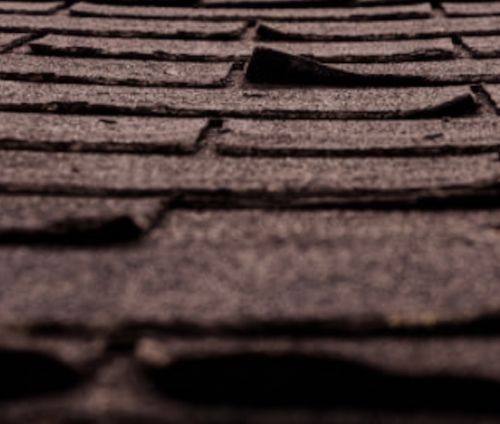
Is Your Roof Showing Its Age?
Curling, lifting, or worn shingles can be signs that your roof is nearing the end of its lifespan. Knowing what to watch for can help you plan for repairs or replacement before leaks begin.
Summary
Most asphalt shingle roofs can last roughly 20 to 30 years, but Illinois weather can shorten that lifespan. Strong winds, hail, heavy rain, snow, ice, temperature swings, poor ventilation, and previous storm damage can all affect how long a roof lasts.
Rockford homeowners should pay attention to the age of their roof along with visible warning signs such as curling shingles, granule loss, leaks, missing shingles, damaged flashing, and repeated repairs.
Not sure how much life your roof has left?
Contact Baney Construction & Restoration, Inc. to schedule a roof inspection and find out whether repair or replacement makes the most sense for your home.
How Long Does a Roof Typically Last in Illinois?
There is no single expiration date for a roof. Its lifespan depends on the roofing material, installation, ventilation, maintenance, weather exposure, and whether the roof has suffered damage over the years.
For many Rockford homes with asphalt shingles, homeowners can generally expect somewhere around 20 to 30 years from the roofing system under good conditions.
However, reaching a certain age does not automatically mean your roof needs to be replaced. A well-maintained roof may continue performing past its expected lifespan, while another roof may develop problems much sooner.
That is why roof age should be considered alongside the roof's current condition.
Roof Lifespan by Roofing Material
Different roofing materials have different expected lifespans. Approximate ranges include:
Asphalt shingles: 20 to 30 years
Architectural shingles: 25 to 30+ years
Metal roofing: 40 to 70 years
Wood shakes: 20 to 40 years
Slate roofing: 50 years or longer
These are general estimates. Weather exposure and installation quality can make a major difference from one home to another.
Why Illinois Weather Can Shorten the Life of Your Roof
Rockford roofs have to handle weather conditions throughout all four seasons. A roof may face summer heat, thunderstorms, high winds, hail, freezing temperatures, snow, and ice within the same year.
Over time, repeated exposure can wear down roofing materials.
Hail and Severe Storms
Hail can damage asphalt shingles by knocking away protective granules or bruising and cracking the shingle surface. Some hail damage can be difficult to see from the ground.
A roof may appear fine immediately after a storm while still having damage that affects its remaining lifespan.
High Winds
Strong winds can lift shingles, loosen roofing materials, damage flashing, or completely tear shingles away.
Even shingles that remain attached can sometimes have weakened seals after wind exposure. This can leave sections of the roof more likely to develop leaks during future storms.
Snow, Ice, and Freeze-Thaw Cycles
Northern Illinois winters can be hard on roofing systems.
Snow accumulation adds weight to the roof, while melting snow can refreeze along roof edges. Water can also work into small openings and expand when it freezes.
Repeated freezing and thawing can gradually make existing roofing problems worse.
7 Signs Your Roof May Be Reaching the End of Its Life
Roof age is only one part of the decision. The condition of the roofing system can tell you much more.
Rockford homeowners should watch for these common warning signs:
Curling or cracked shingles
Missing or loose shingles
Heavy granule loss
Recurring roof leaks
Damaged or deteriorating flashing
Sagging areas of the roof
Frequent need for roof repairs
One isolated problem does not always mean you need a new roof. Several problems appearing across the roofing system can point toward broader deterioration.
How Can You Tell How Old Your Roof Is?
If you purchased your home after the current roof was installed, you may not know its exact age.
Start by checking your home improvement records, closing documents, inspection reports, or paperwork left by the previous homeowner. You may also be able to contact the roofing contractor who completed the installation.
If you cannot determine the installation date, a roofing contractor can inspect the shingles and other components to estimate the roof's condition and approximate age.
Knowing whether your roof is 8 years old or 23 years old can make a big difference when deciding between roof repair and replacement.
Should You Repair an Older Roof or Replace It?
This decision usually comes down to the age, condition, and extent of the damage.
A roof repair may make sense when the roof is still relatively young and the problem is limited to a small area. For example, replacing a few damaged shingles may be reasonable if the rest of the roofing system is in good condition.
Roof replacement may make more sense when:
The roof is approaching or past its expected lifespan
Problems are appearing in several areas
Leaks keep returning
Large sections of shingles are worn or damaged
Storm damage is widespread
Repair costs are starting to add up
Replacing an aging roof can sometimes make more financial sense than continuing to pay for individual repairs on a roofing system that will need replacement soon anyway.
Don't Wait for a Roof Leak to Start Planning
A common mistake is assuming a roof is fine because water has not entered the house.
Leaks are often a later-stage symptom.
Shingles, flashing, ventilation components, underlayment, and other parts of the roofing system can deteriorate before water stains appear on a ceiling.
If you know your roof is getting older, having it inspected can give you time to plan instead of being forced into an emergency decision after a major storm or sudden leak.
When Should Rockford Homeowners Start Thinking About Roof Replacement?
If an asphalt shingle roof is approaching the 20-year mark, it is reasonable to start paying closer attention to its condition.
That does not mean replacement needs to happen immediately.
Instead, homeowners can begin watching for wear, scheduling periodic inspections, keeping records of repairs, and budgeting for a future roof replacement.
Planning ahead can make the process much easier than waiting until the roof fails.
Protect Your Rockford Home With the Right Roofing Plan
Your roof does not need to reach a specific birthday before it can be replaced, and an older roof does not automatically need to come off.
The better question is whether the roofing system can still protect your home.
Roof age, shingle condition, previous storm damage, leaks, ventilation, and repair history can all help determine how much usable life remains.
Baney Construction & Restoration, Inc. provides professional roof inspections, roof repair, storm damage repair, and roof replacement for homeowners throughout Rockford and the surrounding area.
Contact Baney today to schedule an inspection and get a clear picture of your roof's condition.
Frequently Asked Questions
How long do asphalt shingle roofs last in Illinois?
Many asphalt shingle roofs last approximately 20 to 30 years. Weather exposure, installation quality, ventilation, maintenance, and storm damage can shorten or extend that timeframe.
Should I replace a 20-year-old roof?
Not automatically. A 20-year-old roof should be inspected for wear and damage. If the shingles and roofing system are still performing properly, immediate replacement may not be necessary. Widespread deterioration or recurring repairs can make replacement the better choice.
Can hail shorten the lifespan of a roof?
Yes. Hail can damage shingles, remove protective granules, cause bruising, and create cracks. The extent of the damage depends on factors such as hail size, wind speed, roofing material, and the age of the roof.
How do I know if my roof needs repair or replacement?
Localized damage on a younger roof can often be repaired. An older roof with widespread shingle wear, recurring leaks, storm damage, or frequent repairs may be a better candidate for replacement. A roof inspection can help determine which option makes sense.
How often should homeowners in Rockford have their roofs inspected?
It is a good idea to check your roof periodically and after major hail, wind, or severe weather events. Older roofs may also benefit from more frequent professional inspections so developing problems can be found before they turn into larger repairs.