
How to Identify Roof Hail Damage, Granule Loss, and Shingle Bruising in St. Louis, Missouri
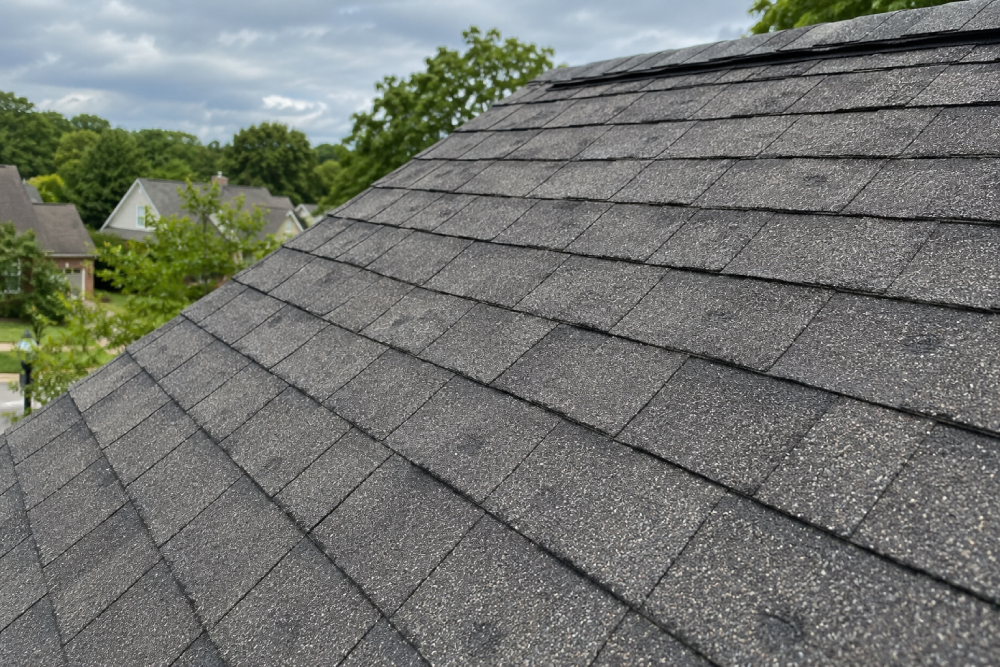
Signs of Hidden Hail Damage on Your Roof
Hail damage is not always easy to spot from the ground. Small dents, granule loss, bruising, and cracked asphalt shingles can weaken your roofing system over time and lead to leaks, water intrusion, and costly repairs if left unaddressed after severe storms in the St. Louis area.
Summary
Knowing how to identify hail damage on a roof in St. Louis, Missouri can help homeowners catch problems early before they turn into costly repairs. Common signs include dents, bruising, granule loss, cracked asphalt shingles, damaged roof vents, dented gutters, and hidden roof damage that may not be immediately obvious after hailstorms. Even small hailstones can weaken roofing materials over time and lead to leaks, water damage, mold growth, and structural issues if the damage is ignored.
If you believe your home may have roof hail damage after a storm, Baney Construction & Restoration, Inc. can provide a professional roof inspection to help identify hail damage, document everything for a possible insurance claim, and determine whether repairs or replacement may be needed.
Why Hail Damage Is a Serious Problem in St. Louis
The St. Louis area is prone to severe weather, including hailstorms that can cause significant damage to residential roofing systems. Depending on hail size, wind speed, roofing materials, and the age of the roof, even small hail can create hidden damage that weakens your roof shingles over time.
The St. Louis region regularly experiences severe thunderstorms capable of producing damaging hail and high winds. Homeowners can monitor severe weather information and hail activity through the National Weather Service during storm season.
Many homeowners assume roof hail damage always means missing shingles or obvious leaks. In reality, hail damage often starts with small cracks, dents or bruises, and granule loss that slowly damage the protective surface of asphalt shingles. Once the protective granules are removed, UV exposure and water infiltration can damage the shingle surface much faster.
Damage can lead to:
Roof leaks
Water damage inside the attic
Mold growth
Insulation problems
Structural damage
Premature roof aging
Costly repairs down the road
Knowing how to spot these issues early can help protect your home and potentially reduce larger repair costs later.
Common Signs of Hail Damage on Your Roof
Granule Loss on Asphalt Shingles
One of the most common signs of hail damage on asphalt shingles is granule loss. Asphalt shingles contain protective granules that shield the roofing system from UV exposure and weather damage. When hail strikes the roof surface, the impact force can knock these granules loose.
Granule loss may appear as:
Dark spots on roof shingles
Bare areas on the shingle surface
Granules collecting inside gutters and downspouts
Uneven coloring across the roof
Hail damage look like random scattered impact areas rather than consistent wear and tear. This is one reason a professional roof inspection is important after major hail events.
Dents or Bruises on Shingles
Bruising is another major indicator of roof damage after a hailstorm. Hailstones can create dents or bruises on shingles that soften or weaken the asphalt layer underneath the surface.
Dents or bruises on shingles may:
Feel soft when lightly pressed
Leave circular impact marks
Cause shingles to become more likely to crack later
Create weak points that allow water infiltration
Larger hailstones can cause cracks or split shingles immediately, while smaller hail may create hidden damage that becomes worse over time.
Cracked or Split Roof Shingles
Strong hail strikes can create:
Small cracks
Split shingles
Broken shingle edges
Missing shingles
Exposed roofing materials
Once shingles crack, the roof becomes much more susceptible to leaks and structural issues. Damage often spreads quickly when moisture gets beneath the roofing materials.
Other Areas of Your Home That May Show Hail Damage
Dented Gutters and Downspouts
Roof hail damage is not always limited to shingles. Gutters and downspouts are often among the easiest places to identify hail damage after storms.
Look for:
Small dents
Dented gutters
Dings on metal flashing
Damage around gutter seams
Bent downspouts
Even small dents can indicate a hailstorm strong enough to damage your roofing system.
Roof Vents and Metal Components
Roof vents, flashing, and other metal surfaces often show signs of hail damage clearly because metal dents more easily than asphalt shingles.
During a walk around your home’s exterior, check:
Roof vents
Metal flashing
Exhaust caps
Skylight trim
Chimney flashing
If these components have dents, there is a strong possibility your roof shingles also sustained damage.
Siding, Windows, and Exterior Property Damage
Homeowners should also inspect:
Siding
Window screens
Outdoor AC units
Flower beds
Patio furniture
Mailboxes
Damage quickly appearing across multiple exterior surfaces may indicate larger hail events that warrant getting a professional inspection.
Why Some Hail Damage Is Hard to Spot
Not all hail damage is immediately obvious. Hidden damage can develop slowly and may not lead to leaks until months later. Some roofs may appear fine from the ground while the shingles have already been weakened underneath.
Several factors affect how hail damage look like on different roofs:
Hail size
Roofing materials
Roof age
Previous wear and tear
Roof slope
Impact angle
Craftsmanship from prior roof installation
Older asphalt shingles are often more likely to crack after hailstorms because the shingles become brittle over time.
What Homeowners Should Do After a Hailstorm
After a major hailstorm in St. Louis, homeowners should take a few important steps to protect their property and help with a possible insurance claim.
Take Photos and Document Everything
Document everything you can safely see from the ground:
Roof damage
Dented gutters
Missing shingles
Cracks
Property damage
Water damage inside the home
Take photos as soon as possible after the storm.
Schedule a Roof Inspection
Getting a professional inspection is one of the best ways to identify hail damage early before problems become worse. A roofing contractor can safely inspect the roofing system for hidden damage that homeowners may miss.
Review Your Insurance Coverage
Many insurance policies cover sudden storm damage, including hail damage on your roof. Homeowners’ insurance policies cover repairs in many situations when the damage is connected to a covered hailstorm event. Homeowners looking for additional information about storm-related insurance claims can also review consumer resources from the Insurance Information Institute.
An experienced contractor can often help document roof hail damage for the insurance adjuster during the inspection process.
Why Fast Repairs Matter
Address hail damage quickly whenever possible. Damage can lead to leaks, insulation problems, mold growth, and larger structural damage if ignored for too long.
Even minor damage can weaken the roof and shorten the lifespan of the roofing system. Problems down the road often become far more expensive than handling repairs early.
Protect Your Home After Hail Damage in St. Louis
Knowing how to identify hail damage on a roof can help homeowners respond faster after severe weather in St. Louis. Common signs of hail damage include granule loss, dents or bruises on shingles, cracked asphalt shingles, dented gutters, roof vent damage, and leaks that may develop after hailstorms.
Baney Construction & Restoration, Inc. provides roof inspection services for homeowners dealing with storm damage in the Greater St. Louis area. Our team can help identify hail damage, document damage for insurance claims, and determine whether your home needs repairs or replacement to keep your home protected.