
Why Storm Damage Insurance Claims Get Denied in the Greater St. Louis Area
Common Problems During the Claims Process
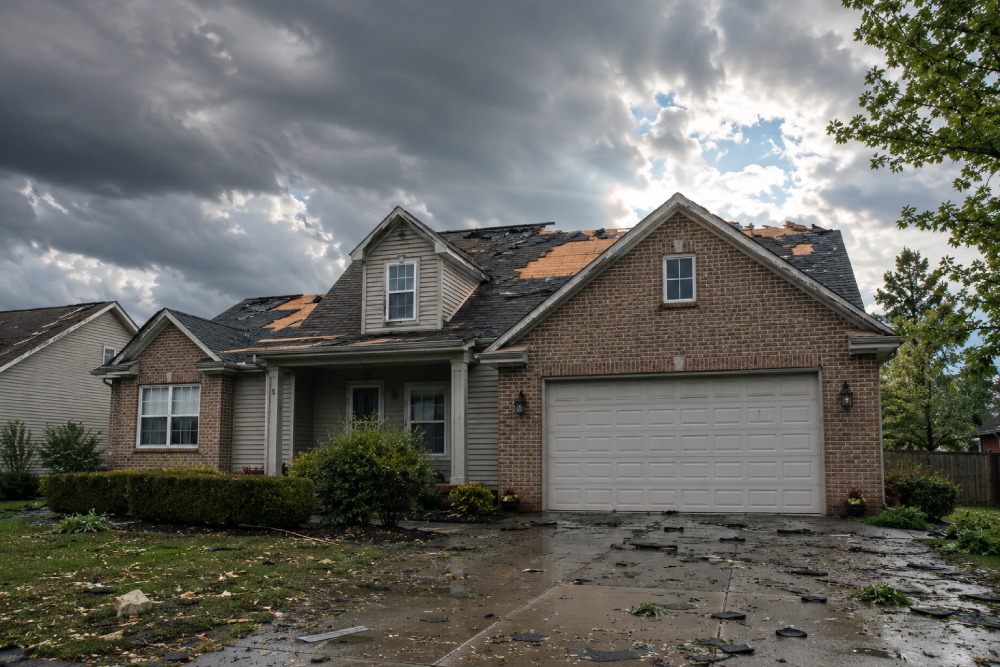
Insurance claims after severe weather are not always straightforward. Hidden damage, incomplete inspections, and missing documentation can all create delays, lower payouts, or denied claims for homeowners.
Summary
Storm damage insurance claims in the Greater St. Louis area are denied more often than many homeowners expect. Missing documentation, delayed inspections, hidden roof damage, policy exclusions, and disagreements with the insurance adjuster can all affect whether a claim gets approved. A fast inspection, clear photos, and proper documentation can help support your claim and reduce problems during the insurance claim process.
If your roof, siding, gutter system, deck, or exterior was affected by hail or wind damage, contact Baney Construction & Restoration, Inc. for a free inspection and help with your insurance claim.
Why Insurance Companies Deny Roof Damage Claims
After severe weather moves through the St. Louis area, insurance companies often receive a large number of claims at the same time. Some homeowners assume their insurer will automatically approve a roof replacement after hail or wind damage, but that is not always the case.
Many denied claims happen because the insurance company believes the damage to your home was caused by age, maintenance issues, or normal wear instead of a recent weather-related event. In other situations, the insurance adjuster may miss hidden damage during the initial inspection.
The insurance company will send an adjuster to review the property, but homeowners should understand that not every inspection is equally detailed. Missing information during the inspection can affect the payout, scope of loss, or approval decision.
Common Reasons Insurance Claims Get Denied
Delayed Inspections After Severe Weather
One of the biggest mistakes a homeowner can make is waiting too long to file a claim after severe weather affects the property.
Over time, roofing materials continue deteriorating, making it harder to document damage accurately. Insurance companies may question whether the damage happened during the reported storm.
Common issues caused by delays include:
Missing shingles becoming worse
Granule loss spreading across the roof
Water intrusion creating additional problems
Dents becoming harder to identify
Damage blending in with normal roof aging
Scheduling roof and exterior inspections quickly can help document weather-related damage before conditions change.
Missing Documentation
Documentation plays a major role in the insurance claim process. If a homeowner cannot properly document damage, the insurer may reduce or deny the claim.
Helpful documentation may include:
Photos of hail damage and wind damage
Pictures of dents on gutters, vents, siding, and downspouts
Images of bruising, shatter marks, or granule loss on shingles
Documentation of damage across the entire property
Inspection reports
Weather reports from the storm date
Line-by-line estimate paperwork
Scope of loss details
A contractor that specializes in storm damage restoration may also identify hidden damage missed during the initial inspection.
Weather data can sometimes help support the timing and severity of a weather-related insurance claim. Homeowners can review recent storm activity through the National Weather Service when gathering documentation after hail or wind damage.
Insurance Policy Exclusions
Not all insurance policies provide the same level of coverage for roof replacement or exterior repairs.
Some policies contain exclusions or limitations involving:
Older roofing systems
Cosmetic damage
Fiber cement siding
Matching shingles or siding
ACV versus RCV coverage
Depreciation calculations
High deductibles for hail and wind claims
Replacement Cost Value (RCV) coverage generally provides broader protection than Actual Cash Value (ACV) coverage because depreciation affects the payout differently.
Under ACV policies, the depreciated amount may significantly reduce what the homeowner receives from the insurer.
Homeowners with questions about policy language, depreciation, or claim handling can also review consumer insurance resources from the Missouri Department of Commerce & Insurance.
Hidden Damage Can Create Long-Term Problems
Hail Damage Is Often Missed
Many homeowners only look for roof leaks after a storm, but roof damage is not always immediately visible.
Small hail can still damage roofing materials and exterior components, including:
Granule loss
Bruising on shingles
Cracked vents
Dents on gutters and gutter guards
Damage to siding
Window screen impacts
Soft spots in the roofing system
Even when leaks are not visible, hail damage may shorten the life of the roof.
Wind Damage Can Affect the Entire Exterior
High winds do not only affect shingles. Severe weather may damage multiple parts of the property, including:
Siding
Gutters
Downspouts
Deck structures
Exterior trim
Roofing vents
Flashing
Window screens
If these areas are missed during the inspection, the insurance claim may not reflect the full amount of damage to your home.
Storm Chasers Can Complicate the Claims Process
After major hail storms and wind events, storm chasers often enter the Greater St. Louis area looking for quick roofing jobs. Some homeowners hire contractors without checking whether they are a local business or whether they carry the proper roofing license.
Poor inspections and weak documentation may create problems with insurance companies later.
Potential issues include:
Missed hidden damage
Incomplete inspections
Inflated repair estimates
Poor temporary repairs
Lack of local building knowledge
Weak documentation to support your claim
Working with a contractor that understands insurance claims in St. Louis can help homeowners avoid many of these problems.
What Homeowners Should Do After Severe Weather
Steps to Take Immediately
If hail or wind damage affects your property, taking the right steps early may improve your chances of approval.
Recommended Actions
Schedule a free inspection quickly
Document all visible damage
Take photos of the roof, siding, gutters, vents, and exterior
Prevent further damage if temporary protection is needed
Contact your insurance provider
Save all inspection reports and estimates
Review deductible and policy details carefully
Ask questions about ACV, RCV, depreciation, and exclusions
The insurance company will send an insurance adjuster to inspect the property after you file a claim. Having your contractor present during the inspection may help identify missed damage and clarify repair needs.
Understanding Public Adjusters
Some homeowners hire a public adjuster during difficult insurance claims. Public adjusting professionals work on behalf of the homeowner rather than the insurer.
A public adjuster may help when:
The payout appears too low
Hidden damage was missed
The scope of loss seems incomplete
Parts of the claim were denied
Before hiring a public adjuster, homeowners should review fees, contracts, and expectations carefully.
Local Building Requirements Matter
Local building requirements in Missouri and the Greater St. Louis area may affect repair costs and roof replacement requirements.
Depending on the property and roofing system, code-related upgrades may involve:
Additional roofing materials
Ventilation changes
Ice and water shield requirements
Full replacement instead of partial repairs
These items can affect the final line-by-line estimate prepared during the insurance claim process.
Final Thoughts on Roof Insurance Claims in St. Louis
Insurance claims involving roof damage, siding damage, gutter damage, hail damage, wind damage, and other exterior issues can quickly become stressful for homeowners. Many denied claims happen because of incomplete inspections, weak documentation, hidden damage, depreciation issues, or exclusions buried inside insurance policies.
A fast inspection and detailed documentation can make a major difference when filing a claim after severe weather. Working with a contractor that specializes in storm damage restoration may also help homeowners better understand the claims process and avoid common mistakes.
If hail or wind damage affects your property in the Greater St. Louis area, contact Baney Construction & Restoration, Inc. for a free inspection and help with roof replacement evaluations, exterior repairs, insurance documentation, and weather-related property damage.
Frequently Asked Questions
Can insurance companies deny hail damage claims?
Yes. Insurance companies may deny hail damage claims if they believe the damage resulted from age, wear and tear, maintenance issues, or policy exclusions instead of a recent storm.
What is the difference between ACV and RCV?
ACV stands for Actual Cash Value and factors in depreciation. RCV stands for Replacement Cost Value and generally provides broader reimbursement for covered repairs.
Should I get an inspection even if I do not see leaks?
Yes. Hidden damage may exist even without visible leaks. Roof inspections may identify dents, bruising, granule loss, siding damage, and other issues homeowners may overlook.
What does an insurance adjuster inspect?
An insurance adjuster typically reviews shingles, siding, gutters, vents, window screens, flashing, and other exterior areas to determine the scope of loss and claim payout.
Can small hail still damage a roof?
Yes. Small hail can still create dents, granule loss, bruising, and roofing system deterioration even when damage is difficult to spot from the ground.