
How Clogged Gutters Can Damage Your Roof in Edwardsville, IL
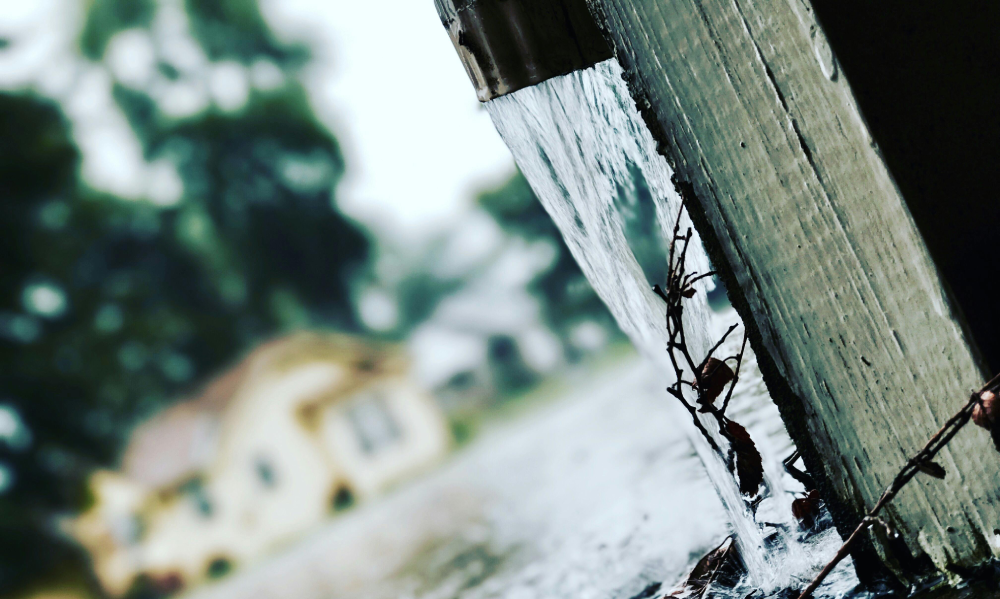
Why Clogged Gutters Cause Roof Damage
Clogged gutters block water flow, causing it to back up under your roof and lead to leaks, rot, and costly damage. Catching it early can save you a major repair bill.
Summary
A gutter inspection in Edwardsville, Illinois, can help catch early signs of clogged gutters before they turn into serious roof damage. When water can’t drain properly, it backs up under shingles, damages wood along the roofline, and creates the conditions for leaks inside your home. This article walks through how these problems start, what warning signs to look for, and how to stay ahead of them with simple maintenance.
If your gutters are overflowing or you think your roof may already be affected, Baney Construction & Restoration, Inc. offers free inspections to help you catch issues early and avoid costly repairs.
Why Gutters Matter More Than You Think
Your gutters do one simple job, move water away from your home. When they’re working, they protect your roof, siding, and foundation without you thinking twice about it.
When they’re not, water starts to collect along your roofline instead of draining away. That buildup is where leaks, wood rot, and bigger problems start to take shape.
How Clogged Gutters Lead to Roof Damage
Water Backup Under Shingles
When gutters fill up with leaves, dirt, and debris, water can’t drain the way it should. Instead, it spills over the edges or backs up onto the lower part of your roof. That constant exposure to standing water puts stress on areas that are not meant to hold moisture.
As water sits along the roofline, it can slowly work its way beneath your shingles. Once it gets past that outer layer, it starts to break down the materials underneath and weakens your roof’s ability to keep water out.
That buildup can lead to:
Moisture getting trapped under shingles
Gradual breakdown of roofing materials
Small leaks that go unnoticed at first
The problem is that this type of damage usually happens out of sight. By the time you notice a stain on your ceiling or a drip inside your home, the issue has often been building for a while.
Rotting Fascia and Roof Decking
Your fascia board sits right behind your gutters and helps support both the gutter system and the edge of your roof. It also acts as a barrier that keeps water from getting into the roof structure.
When gutters stay clogged, water doesn’t move away from the home. It sits against the fascia for long periods, slowly soaking into the wood. As that moisture builds up, the wood begins to soften and break down. Over time, this can cause the fascia to rot and weaken.
Once that happens, the problems don’t stop at the surface. Gutters can start to sag or pull away, and the damage can spread into the roof decking behind the fascia. What started as a simple maintenance issue can turn into a repair that involves both the gutters and the roof itself.
Ice Dams in the Winter
Cold winters can make clogged gutters a much bigger problem. When debris blocks water from draining, it gets trapped in the gutter system and sets the stage for ice buildup along your roofline.
Here’s how it happens:
Water gets trapped in the gutters instead of draining away
Temperatures drop and that water freezes
Ice begins to build up along the edge of the roof
That buildup forms what’s known as an ice dam. Instead of melting snow flowing off your roof, it gets stuck behind the ice and starts backing up under your shingles. From there, it can seep into your home and cause damage to ceilings, insulation, and walls.
Ice dams are a clear sign that water isn’t draining properly, and they often trace back to clogged or poorly maintained gutters.
Mold and Moisture Issues
When water gets trapped around your roofline, it doesn’t just stay outside. That moisture can start to work its way into your attic and create the kind of damp environment where mold can grow.
Over time, you may begin to notice signs like musty odors in the attic, dark spots on wood or insulation, or a general increase in humidity inside your home. These issues often start small, but they can spread quickly if the source of the moisture isn’t addressed.
What makes this tricky is that the root cause is often outside at the gutters, while the symptoms show up inside. If ignored, moisture problems can affect air quality and lead to more involved repairs beyond just the roof.
Signs Your Gutters Are Causing Roof Problems
Most homeowners don’t notice a gutter issue until it starts affecting the roof. The good news is there are early warning signs you can catch before it turns into a bigger repair.
Here’s what to look for:
Water spilling over during rain
If water is pouring over the sides instead of flowing through the downspouts, your gutters are likely clogged or not draining properly. This is one of the first signs that water is backing up toward your roof.Sagging or pulling gutters
Gutters that look uneven or are separating from the house are often weighed down by debris and standing water. This puts stress on the fascia and can lead to structural damage along the roof edge.Stains or streaks on siding
Water running down the outside of your gutters can leave visible marks on your siding. This usually means water isn’t being directed away from your home the way it should be.Peeling paint or soft wood near the fascia
Moisture sitting in the same area over time can cause paint to peel and wood to soften. This is often an early sign of rot starting behind the gutters.Shingle damage near the roof edge
Curled, cracked, or missing shingles along the edges of your roof can point to repeated water exposure caused by poor drainage.
If you’re seeing any of these signs, it’s worth taking a closer look. Catching the issue early can help you avoid more serious roof damage and higher repair costs.
How Often Should Gutters Be Cleaned?
A good rule of thumb for homes in Edwardsville is to clean your gutters at least twice per year. Regular cleaning helps keep water moving away from your home instead of backing up along the roofline.
If gutters are left alone for too long, debris builds up and blocks proper drainage. That’s when you start to see overflow, standing water, and added stress on your roof and fascia.
Keeping up with a consistent cleaning schedule is one of the easiest ways to prevent avoidable roof damage and extend the life of your gutter system.
Ideal Times to Clean
Cleaning your gutters at the right times of year helps prevent buildup before it turns into a problem.
Late spring after heavy rains
Spring storms can wash debris into your gutters, including seeds, twigs, and dirt. Cleaning them out after this period helps restore proper water flow.Late fall after leaves have dropped
This is the most important time to clean your gutters. Leaves are the main cause of clogs, and clearing them out before winter helps prevent water backup and ice dams.
If your home is surrounded by trees, or you notice debris building up quickly, it’s a good idea to check your gutters more frequently between these cleanings.
Preventing Gutter-Related Roof Damage
Keeping your gutters clear is one of the simplest ways to protect your roof. Most gutter-related damage doesn’t happen all at once. It builds over time as water is forced to sit where it shouldn’t. A little routine maintenance goes a long way in avoiding repairs that affect both your gutters and your roof.
Simple Prevention Steps
Schedule regular gutter cleanings
Staying consistent with cleanings keeps debris from building up to the point where it blocks water flow. Even a small amount of buildup can start to slow drainage and lead to overflow.Install gutter guards if debris is a constant issue
Gutter guards can help reduce how much debris collects, especially if your home is surrounded by trees. They won’t eliminate maintenance completely, but they can cut down how often you need to clean.Check downspouts to make sure water is flowing away from your home
Gutters can be clear, but if downspouts are clogged or not directing water far enough away, you can still end up with pooling near your foundation or roofline. Make sure water is being pushed out and away properly.Inspect your roof edge and gutters after major storms
Storms can quickly fill gutters with debris or cause sections to loosen. A quick visual check after heavy rain or wind can help you catch issues early before they turn into damage.
Staying on top of these steps helps you avoid the kind of water buildup that leads to leaks, rot, and long-term roof problems.
When to Call a Professional
If your gutters are overflowing, pulling away from the house, or you think water may already be getting into your roof, it’s time to have a professional take a closer look. These problems usually mean the issue has gone beyond a simple cleaning.
A professional inspection helps you understand exactly what’s going on before it turns into a more expensive repair. Instead of guessing, you get a clear answer on the condition of your gutters and roof.
A thorough inspection can determine:
Whether your roof has been affected
Water damage isn’t always visible from the ground. A proper inspection checks for early signs of leaks, soft spots, and damage along the roof edge.If cleaning is enough or repairs are needed
In some cases, a full cleaning and minor adjustments can fix the problem. In others, there may be damage to the fascia, decking, or shingles that needs to be addressed.What steps to take next to protect your home
You’ll get a clear plan, whether that’s routine maintenance, gutter improvements, or roof repairs.
If you’re noticing any of the warning signs covered in this article, it’s better to address it now rather than wait for visible damage inside your home.
Baney Construction & Restoration, Inc. offers free inspections to help you catch these issues early. If something’s wrong, you’ll get straightforward recommendations on what needs to be done and what doesn’t, so you can move forward with confidence.
Protect Your Roof Before Small Issues Grow
Clogged gutters are easy to overlook, but they’re often the starting point for much bigger problems. When water can’t drain properly, it finds its way under your roof, along your fascia, and into areas that aren’t built to handle moisture.
The good news is most of this damage is preventable. Staying consistent with gutter maintenance and paying attention to early warning signs can save you from costly repairs down the road.
If you’ve noticed overflowing gutters, signs of water damage, or just haven’t had your system checked in a while, it’s worth having a professional take a look.
Baney Construction & Restoration, Inc. offers gutter inspections in Edwardsville Illinois to help you catch issues early and keep your roof protected.
FAQs
Can clogged gutters really cause roof leaks?
Yes. When water backs up under shingles, it can lead to leaks inside your home.
Are gutter guards worth it?
They can help reduce debris buildup, but they don’t eliminate the need for maintenance completely.
How do I know if my fascia is rotting?
Soft wood, peeling paint, or visible damage behind the gutters are common signs.
What’s the biggest risk during winter?
Ice dams. These form when trapped water freezes and forces moisture back into your roof.
Should I clean gutters myself or hire someone?
If your home is one story and you’re comfortable on a ladder, you can handle basic cleaning. For taller homes or visible damage, it’s safer to call a professional.