
What to Do After Storm Damage to Your Home in St. Louis, MO
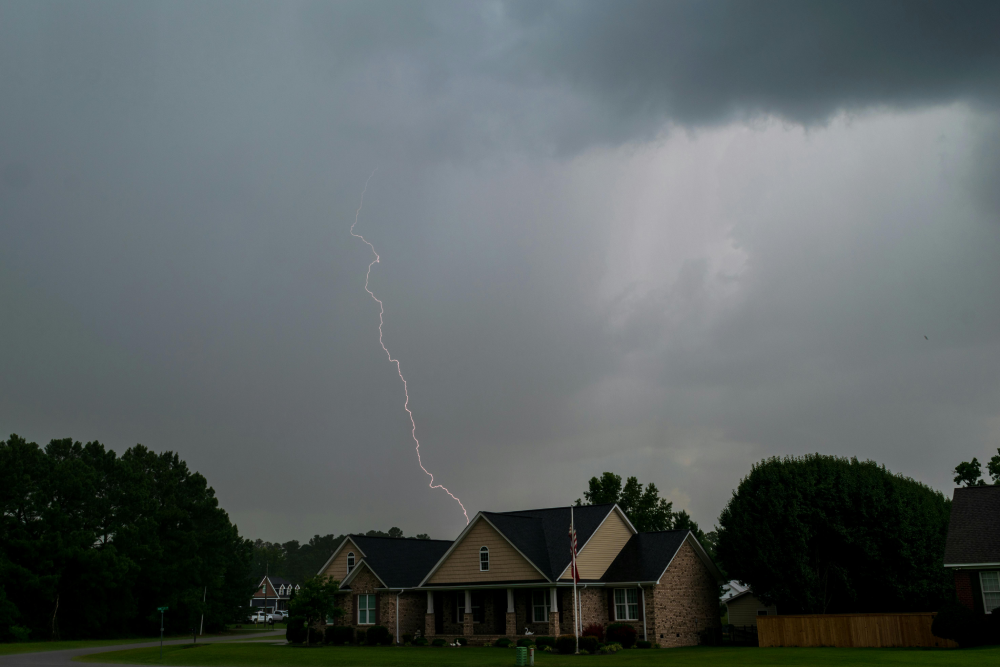
What to Do Right After Storm Damage
A quick check after a storm can help you catch damage early and avoid bigger problems later. Look for missing shingles, dented gutters, siding damage, or signs of water getting inside. Acting fast helps protect your home, supports your insurance claim, and keeps small issues from turning into expensive repairs.
Summary
Storm damage can hit fast in St. Louis, leaving homeowners dealing with roof leaks, siding issues, and water intrusion. The key is acting quickly but making smart decisions. This guide walks you through what to do right after a storm, how to document damage, and how to protect your home before repairs begin.
Need help after a storm? Baney Construction & Restoration, Inc. offers free St. Louis home inspections and will walk you through the next steps with clear, honest guidance.
Start With a Safety Check
After a storm passes, your first priority is safety. Before thinking about repairs, take a few minutes to assess your surroundings and make sure everything is stable.
Start by walking around your property and looking for anything that could be dangerous. This includes downed power lines, large tree limbs, loose debris, or damaged parts of your home that could fall or shift. Keep your distance from anything that doesn’t look secure.
Then, take a quick look inside. Watch for signs like water stains on ceilings, active leaks, damp insulation, or a musty smell. These can all point to damage that isn’t immediately visible from the outside.
As you’re checking things over, avoid putting yourself at risk. Stay off the roof, avoid areas with standing water near electrical systems, and don’t try to inspect anything that feels unsafe.
If you notice anything concerning, it’s best to call a professional before moving forward. A quick, careful check helps you understand the situation without creating new problems.
Check for Immediate Hazards
Look for anything that could put you or your family at risk before moving around your property or starting any cleanup. Storm damage can leave behind unstable conditions that aren’t always obvious at first.
Take a careful walk around your home and keep an eye out for:
Downed or low-hanging power lines
Large tree limbs resting on your roof or near entry points
Loose siding, gutters, or roofing materials that could fall
Broken glass or sharp debris around doors and windows
Active water leaks inside your home
It’s also a good idea to listen as much as you look. Dripping water, creaking materials, or shifting debris can all be signs that something isn’t stable.
If you notice any structural concerns like sagging areas, major impact damage, or anything that feels unsafe, stay clear of those areas. Do not try to fix or inspect them yourself. This is where bringing in a professional right away is the safest move.
Avoid Climbing on the Roof
It’s tempting to take a closer look, but climbing onto a damaged roof is risky. Wet shingles, hidden soft spots, or loose materials can lead to serious injury. A professional inspection is always the better route.
Document the Damage Right Away
Before any cleanup or temporary repairs, take photos and videos of everything you can see. This step matters more than most homeowners realize.
What to Capture
When documenting storm damage, the goal is to create a clear record of what happened before anything is cleaned up or repaired. The more thorough you are, the easier the insurance process tends to be.
Start by taking wide photos of each side of your home, then move in closer to capture specific damage. Make sure your photos are well-lit and easy to understand.
Focus on:
Roof damage, including missing shingles, lifted edges, or visible impact marks from hail
Siding dents, cracks, holes, or panels that have come loose
Gutters that are bent, sagging, clogged, or completely detached
Windows, doors, or trim that show signs of impact or water entry
Interior damage such as water stains, ceiling leaks, bubbling paint, or warped drywall
It also helps to take short videos while walking around your property to show the full scope of the damage. If possible, include a date stamp or keep track of when the photos were taken.
Clear documentation supports your insurance claim, helps avoid delays, and gives you a solid record in case anything is questioned later.
Prevent Further Damage
Once you’ve documented everything, your next move is to stop the damage from getting worse.
Temporary Protection Steps
After you’ve documented the damage, the next step is to prevent things from getting worse. Even small issues can turn into larger repairs if water continues to get inside your home.
If it’s safe to do so, you can take a few simple steps to protect your property:
Place tarps over exposed roof areas to keep rain out
Catch active leaks with buckets, towels, or containers
Move furniture or valuables away from affected areas
Remove light debris from gutters and downspouts to help water flow
Cover broken windows, doors, or openings to keep out moisture and pests
Keep in mind, these are only temporary measures. The goal is to reduce further damage until a professional can inspect the situation and complete proper repairs.
Contact Your Insurance Company
Filing a claim early helps keep the process moving and gives you a clearer path forward.
Once you’ve documented the damage, reach out to your insurance provider to open a claim. Be ready to explain when the storm occurred, what you’re seeing, and share any photos or videos you’ve taken.
What to Expect
When you contact your insurance provider, they will typically:
Open a claim and assign an adjuster
Schedule an inspection
Review your documentation and damage details
Be clear and organized when explaining what happened. Having photos ready will make the process smoother and help avoid delays.
Schedule a Professional Inspection
Even if damage looks minor, storms in St. Louis often cause issues that aren’t obvious from the ground. What looks like a few missing shingles or small dents can turn into leaks or structural problems if it’s left unchecked.
A professional inspection gives you a clear understanding of what actually happened to your home. It also helps support your insurance claim by providing a detailed assessment of the damage. Instead of guessing, you’ll know exactly what needs to be addressed and what can wait.
Why an Inspection Matters
A trained eye can spot problems that most homeowners would miss, especially after hail or high winds.
A professional can identify:
Hidden hail damage on shingles that weakens their lifespan
Soft spots or weakened areas that could lead to future leaks
Damage to flashing, vents, or seals that protect key roof openings
Early signs of water intrusion that haven’t reached the interior yet
They can also determine whether the damage calls for a simple repair or something more involved. Catching these issues early helps you avoid larger repairs, protects your home, and keeps small problems from turning into major ones.
Understand Common Storm Damage in St. Louis
Storms in this area often bring a mix of wind, hail, and heavy rain. Each type of damage affects your home differently, and not all of it is easy to spot right away. Understanding what to look for can help you catch problems early and avoid more serious repairs later.
Roof Damage
Your roof usually takes the hardest hit during a storm. High winds can lift, curl, or completely remove shingles, exposing the layers underneath. Hail can leave impact marks that weaken shingles even if they still look intact from a distance.
Common signs of roof damage include:
Missing or lifted shingles
Dark spots or bruising from hail
Granule loss collecting in gutters or downspouts
Exposed or damaged flashing around vents and chimneys
Over time, even minor damage can lead to leaks, water intrusion, and interior issues if it’s not addressed.
Siding Damage
Siding acts as a protective barrier for your home, but it’s vulnerable to hail and flying debris. Cracks, dents, or holes may not seem like a big deal at first, but they can allow moisture to get behind the surface.
This can lead to:
Water damage behind the siding
Mold or mildew growth
Warping or deterioration of materials underneath
In many cases, siding damage is more than cosmetic and should be inspected closely after a storm.
Gutter Damage
Strong winds can pull gutters away from the home, causing drainage issues that lead to foundation problems.
Avoid Storm Chasers and Quick Fixes
After a major storm, it’s common to see out-of-town contractors going door to door offering quick repairs. While some may seem helpful, many are only in the area temporarily and may not be around if issues come up later.
These situations often lead to rushed work, poor repairs, or problems with warranties and follow-up service.
What to Watch For
Not every contractor knocking on your door is the right choice. Take a step back and look for warning signs before agreeing to anything.
High-pressure sales tactics or pushing you to sign on the spot
Requests for large upfront payments before work begins
Vague estimates or lack of written documentation
No local address, office, or established presence
Limited or no reviews from homeowners in your area
It’s also a red flag if someone offers to “handle everything” with your insurance without clearly explaining the process.
Working with a local company gives you peace of mind. You’ll have a team you can reach, accountability throughout the project, and support if anything needs attention after the work is done.
Plan for Repairs or Replacement
Once your inspection and insurance process are underway, you’ll have a clearer picture of what actually needs to be done. This is where you move from identifying damage to making informed decisions about how to fix it.
Not every storm leads to a full replacement. In many cases, targeted repairs can restore your roof or exterior. The key is understanding the condition of your home and choosing the option that protects it long term.
Repair vs. Replacement
Some damage can be repaired, while other situations call for a full replacement. The right approach depends on a few important factors.
The age of your roof or siding. Older materials may not hold up well with repairs alone
The extent and location of the damage. Widespread issues usually point toward replacement
Whether damage has affected underlying materials like decking or insulation
What your insurance policy covers and how the claim is structured
A professional inspection will help break this down in a way that makes sense. Instead of guessing, you’ll understand whether a repair will truly solve the problem or if replacement is the better investment.
A trusted contractor will walk you through your options, explain the pros and cons, and help you make a decision that fits your home and your situation.
Your Next Steps After Storm Damage
Storm damage can feel overwhelming, but taking the right steps early makes a big difference. Start with safety, document everything, and get a professional inspection so you know exactly what you’re dealing with.
From there, stay organized with your insurance claim and make informed decisions about repairs or replacement. Acting quickly helps prevent further damage and keeps the process moving without unnecessary delays.
If your home has been hit by a storm, Baney Construction & Restoration, Inc. is here to help. Schedule your free St. Louis home inspection today and get clear, honest guidance on the next steps.
FAQs
How soon should I inspect my home after a storm?
As soon as it’s safe. The sooner you check for damage, the better your chances of preventing further issues.
Will my insurance cover storm damage?
Most homeowners insurance policies cover storm-related damage, but coverage depends on your policy and the type of damage.
Can I file a claim without visible damage?
Yes. Some damage, especially from hail, is not obvious without a professional inspection.
How long do I have to file a claim?
This varies by policy, but it’s always best to file as soon as possible after the storm.
Do I need to get multiple repair estimates?
It’s a good idea. Comparing estimates helps you understand the scope of work and ensures you’re getting fair pricing.