
Roof Inspection Checklist for Illinois Homeowners
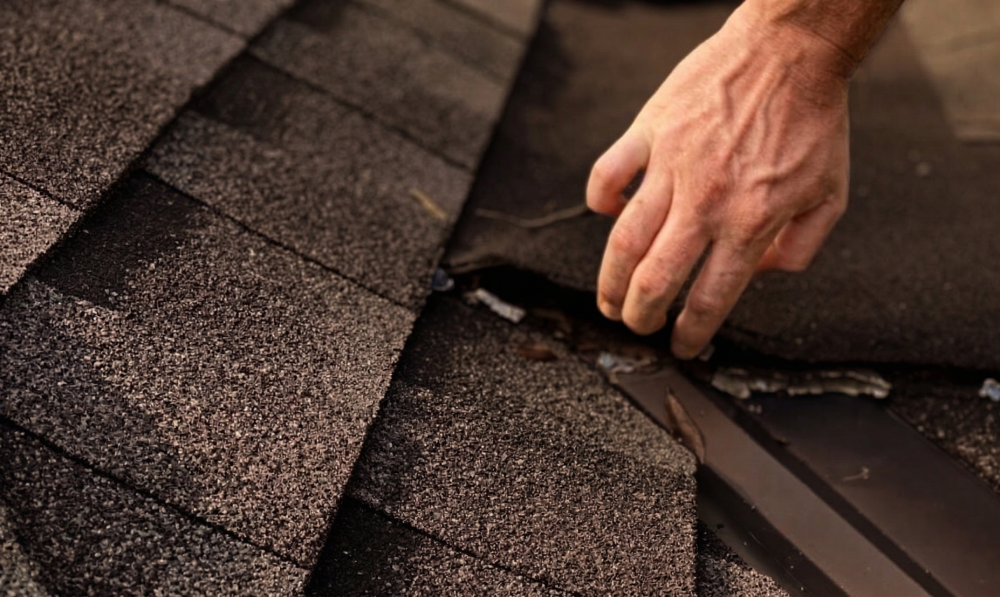
What to Look for During a Roof Inspection
A quick visual check can reveal early signs of damage like loose shingles, worn areas, or problem spots around flashing. Catching these issues early helps prevent leaks and costly repairs.
Summary
Regular roof inspections help homeowners catch small problems before they turn into expensive repairs. Illinois weather can be tough on roofs, with strong winds, hail, heavy rain, and winter ice all taking a toll on shingles and roof structures. A simple inspection checklist can help you identify early warning signs of damage.
If you are unsure what to look for or suspect your roof may have storm damage, Baney Construction & Restoration, Inc. offers free roof inspections for Illinois homeowners. Our team can safely assess your roof and recommend repairs if needed.
Contact Baney Construction & Restoration, Inc. today to schedule your free roof inspection.
Why Roof Inspections Matter in Illinois
Homes in Illinois experience a wide range of weather conditions throughout the year. From spring hailstorms to winter ice buildup, roofs take constant exposure to the elements.
A roof inspection helps homeowners:
Identify storm damage early
Prevent small issues from becoming leaks
Extend the lifespan of the roof
Prepare for insurance claims if damage occurs
Even if your roof appears fine from the ground, small problems can exist that only become visible during a closer inspection.
Exterior Roof Inspection Checklist
Check for Missing or Damaged Shingles
Shingles protect your roof from water intrusion. If they become damaged or go missing, the underlying roof structure can be exposed to moisture.
During a visual inspection, look for:
Missing shingles
Cracked or curling shingles
Shingles that appear loose or lifted
Areas where shingles look uneven or discolored
These signs may indicate aging materials or recent storm damage.
Look for Granule Loss on Shingles
Asphalt shingles are coated with protective granules that shield the roof from sunlight and weather. Over time, these granules can wear away.
Signs of granule loss include:
Dark spots on shingles
Granules collecting in gutters or at the base of downspouts
Shingles that appear smooth or worn
Excessive granule loss often signals that a roof is aging and may require repairs or replacement.
Inspect Flashing Around Roof Features
Flashing is the metal material installed around chimneys, vents, and skylights to prevent water from entering the roof.
During your inspection, look for:
Loose flashing
Rusted or corroded metal
Gaps between flashing and roofing materials
Damaged flashing is a common cause of roof leaks.
Check Gutters and Drainage Systems
Look for Blocked or Sagging Gutters
Gutters play a major role in protecting the roof and foundation of your home by directing water away from the structure.
During your inspection, check for:
Leaves and debris blocking water flow
Sagging sections of gutter
Loose gutter brackets
Water stains along the exterior walls
Poor drainage can lead to roof damage and water intrusion.
Interior Roof Inspection Checklist
Check the Attic for Signs of Leaks
Some roof problems become visible inside the attic before they appear on the roof surface.
Look for:
Water stains on rafters or insulation
Damp insulation
Mold or mildew odors
Daylight coming through the roof boards
These signs may indicate a roof leak or ventilation problem.
Inspect Ceilings and Interior Walls
Leaks sometimes show up inside the home before the roof damage becomes obvious outside.
Watch for:
Water stains on ceilings
Peeling paint or bubbling drywall
Damp spots near exterior walls
These signs often suggest water is entering the roofing system.
When to Schedule a Professional Roof Inspection
Homeowners can perform basic visual checks from the ground, but a professional roofing inspection provides a more thorough evaluation.
You should consider scheduling an inspection if:
Your home experienced a recent hailstorm or high winds
Your roof is more than 10 to 15 years old
You notice signs of leaks or water stains
You plan to sell your home
A professional contractor can safely examine the roof and document any damage that may need repair.
Conclusion
Routine roof inspections help Illinois homeowners protect their property from weather-related damage. By checking shingles, flashing, gutters, and attic spaces, you can identify problems early and prevent larger repairs later.
If you would like a professional evaluation of your roof, Baney Construction & Restoration, Inc. provides free roof inspections for homeowners throughout Illinois. Our team can identify storm damage, recommend repairs, and help you protect your home.
Contact Baney Construction & Restoration, Inc. today to schedule your free roof inspection.
Frequently Asked Questions
How often should a roof be inspected?
Most roofing professionals recommend inspecting your roof at least once a year and after major storms.
Can homeowners inspect their own roofs?
Homeowners can perform basic visual inspections from the ground or attic, but climbing onto a roof can be dangerous. Professional inspections are safer and more thorough.
What time of year is best for roof inspections?
Spring and fall are ideal times to inspect a roof, especially after winter weather or summer storm season.
What are the most common roof problems found during inspections?
Common issues include damaged shingles, loose flashing, clogged gutters, and early signs of leaks.
What happens during a professional roof inspection?
A roofing contractor examines the roof surface, flashing, vents, and gutters, and checks for structural or storm damage. They then provide recommendations for repairs if needed.