
What Hail Damage Looks Like on a Roof in Illinois
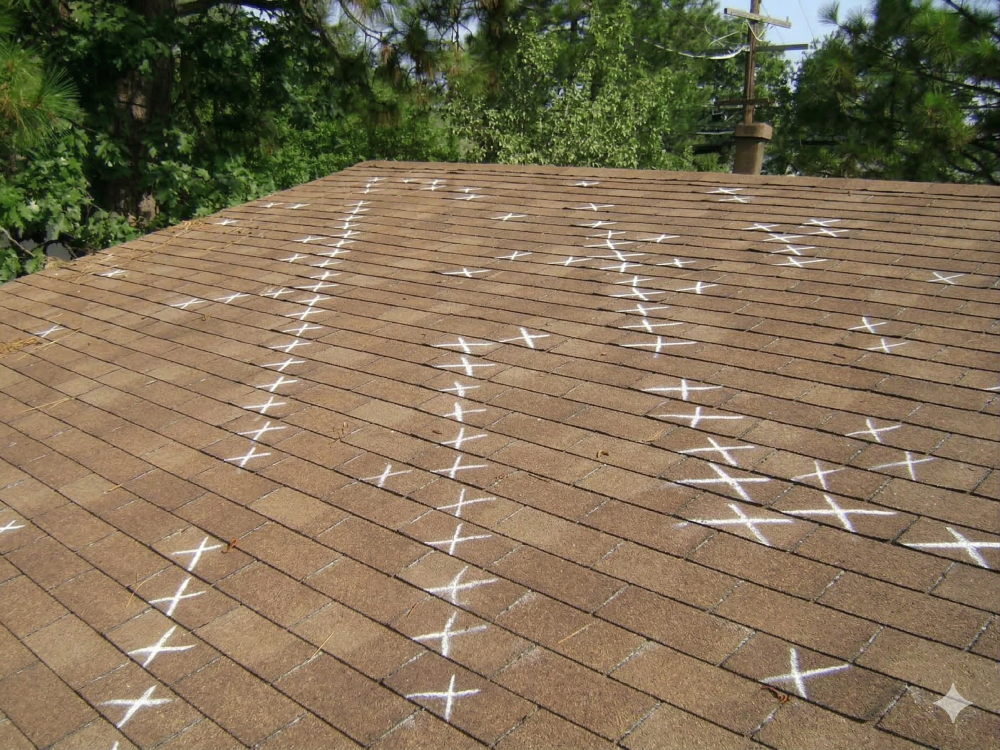
What to Look for After a Hailstorm
Hail damage isn’t always obvious, but it can shorten the life of your roof and lead to costly repairs. This guide walks through the most common signs Illinois homeowners should watch for after a storm.
Summary
Hailstorms are common in Illinois, and even small hailstones can cause roof damage that homeowners may not notice right away. Hail impacts can bruise shingles, loosen protective granules, and weaken roofing materials. Over time, that hidden damage can lead to leaks and expensive repairs.
If your home was recently hit by a storm, it is smart to have a professional inspection. Baney Construction & Restoration, Inc. provides free roof inspections to help Illinois homeowners identify hail damage and determine whether repairs or insurance claims may be needed.
Contact Baney Construction & Restoration, Inc. today to schedule your free hail damage roof inspection.
Why Hail Damage Is a Serious Problem for Illinois Roofs
Illinois storms can produce hail ranging from pea-sized pellets to large stones that strike roofing materials with significant force. Even when hail does not break through a roof immediately, the impact can weaken shingles and shorten the life of the roof.
Many homeowners assume their roof is fine after a storm because they do not see missing shingles. In reality, hail damage often appears as small impact marks that gradually allow water to penetrate the roofing system.
Because hail damage is not always obvious from the ground, a professional inspection is the best way to determine whether repairs are needed.
Common Signs of Hail Damage on Asphalt Shingles
Bruised or Soft Spots on Shingles
One of the most common forms of hail damage is shingle bruising. When hail strikes the roof, it can compress the underlying mat of the shingle.
These areas may look slightly darker or feel soft when pressed. Bruised shingles lose strength and may crack over time, creating a path for moisture.
Granule Loss on the Roof Surface
Asphalt shingles are covered with protective granules that shield the roof from sunlight and weather exposure. Hail impacts can knock these granules loose.
Signs of granule loss include:
Dark spots where the underlying asphalt becomes visible
Granules collecting in gutters or downspouts
Uneven patches across the roof surface
Granule loss accelerates shingle deterioration and reduces the lifespan of the roof.
Cracked or Split Shingles
Larger hailstones can crack or split shingles. These cracks may not always cause immediate leaks, but they weaken the roofing system.
Over time, cracked shingles can allow water to seep beneath the roof surface and cause damage to the decking or attic space.
Damage to Roof Components Beyond Shingles
Hailstorms rarely affect only the shingles. Other roofing components can also show clear signs of impact damage.
Dented Metal Flashing and Roof Vents
Metal components on the roof often reveal hail damage clearly. Common signs include:
Dents in flashing around chimneys and vents
Damage to metal ridge caps
Dented exhaust vents or turbine vents
These dents often help contractors confirm that a storm caused damage to the roof.
Damage to Gutters and Downspouts
Gutters and downspouts are frequently struck during hailstorms. You may notice:
Dents along the gutter edges
Impact marks on downspouts
Loose or misaligned gutter sections
These signs can indicate that hail likely impacted the roof as well.
Marks on Siding and Exterior Surfaces
Hail often leaves visible marks on other parts of the home, such as:
Vinyl siding
window trim
exterior light fixtures
deck railings
If these areas show impact damage, the roof may also have been affected.
Why Professional Roof Inspections Matter After Hailstorms
Many forms of hail damage are subtle and difficult to spot from the ground. A professional roofing inspection allows contractors to safely examine the roof and identify damage that homeowners may miss.
During a hail inspection, a roofing professional typically checks:
shingle surfaces for bruising and granule loss
flashing around chimneys and roof penetrations
vents and ridge caps
gutters, siding, and exterior components
Detailed documentation of storm damage can also help homeowners if they decide to file an insurance claim.
Conclusion
Hail damage is one of the most common causes of roof problems in Illinois. Even small hailstones can weaken shingles, remove protective granules, and damage roof components.
If your home recently experienced a hailstorm, a professional inspection can help determine whether repairs are needed before leaks develop.
Baney Construction & Restoration, Inc. provides free hail damage roof inspections for homeowners across Illinois. Contact our team today to schedule an inspection and make sure your roof is ready for the next storm.
Frequently Asked Questions
How can I tell if my roof has hail damage?
Look for dark spots on shingles, dents on gutters or vents, and granules collecting in gutters. However, many signs are difficult to see without a professional inspection.
How soon should I inspect my roof after a hailstorm?
It is best to schedule an inspection as soon as possible after a storm. Early inspections help document damage before repairs become more complicated.
Can small hailstones damage a roof?
Yes. Even small hail can knock granules off shingles and weaken roofing materials over time.
Will homeowners insurance cover hail damage?
Many insurance policies cover storm-related roof damage, but coverage depends on the policy and proper documentation of the damage.
What should I do if I think my roof has hail damage?
Schedule a professional roof inspection to confirm whether damage occurred and determine what repairs may be needed. Baney Construction & Restoration, Inc. can inspect your roof and guide you through the next steps.