
Roof Leaking After Heavy Rain? Here's What Illinois Homeowners Should Do
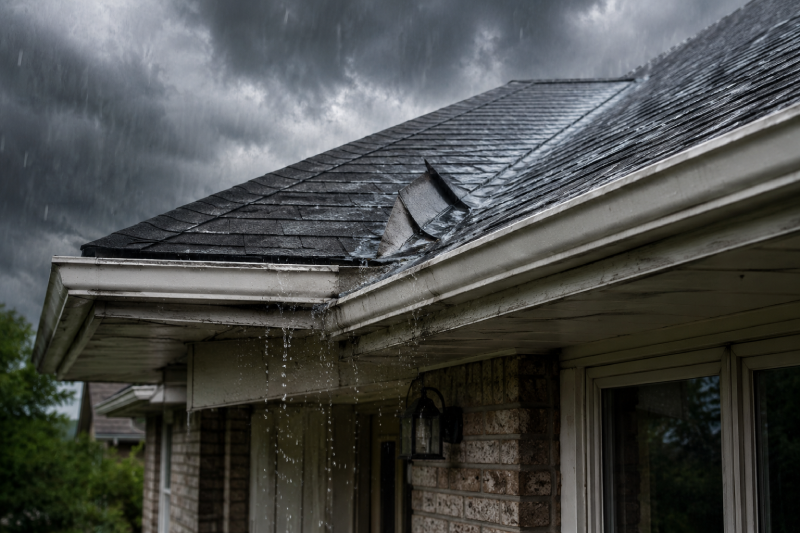
Stop Roof Leaks Before They Get Worse
A small roof leak today can become a much bigger problem after the next heavy rain. Acting quickly can help prevent water damage, protect your home, and reduce the need for more expensive roof repairs later.
Summary
A roof leak after heavy rain is often a sign of an underlying roofing problem that shouldn't be ignored. Whether the leak is caused by missing shingles, damaged flashing, clogged gutters, or storm damage, acting quickly can help prevent water damage, mold growth, and costly structural repairs. Knowing what to do immediately after discovering a leak can help protect your home while you arrange for a professional roof inspection.
Need Roof Leak Repair After Heavy Rain?
Baney Construction & Restoration helps homeowners throughout Northern & Southern Illinois with emergency roof leak repair, storm damage restoration, roof inspections, and roof replacement services. Contact our team today for a free inspection and let us find the source of your roof leak before it causes more damage.
Why Roof Leaks Often Appear During Heavy Rain
A roof leak after heavy rain doesn't always mean the roof was damaged by that specific storm. In many cases, heavy rainfall simply exposes an existing weakness that has been developing over time. Small gaps around flashing, worn sealant, damaged shingles, or aging roofing materials may keep out light rain but allow water intrusion during prolonged or intense storms.
Illinois weather can be especially tough on roof systems. Heavy rain, hail, strong winds, snow, and repeated freeze-thaw cycles all take a toll on roofing materials over time. As shingles age and flashing begins to deteriorate, your roof becomes more vulnerable to leaks that may not become noticeable until severe weather arrives.
If your roof is leaking during heavy rain, it's important to act quickly. Even a small leak can lead to water damage inside your home if left untreated. Scheduling a professional roof inspection can help identify the source of the leak before it turns into a larger and more expensive problem.
Water Doesn't Always Enter Directly Above the Leak
One of the most common misconceptions homeowners have is that the water dripping from the ceiling is located directly below the roof leak. In reality, water can travel several feet through your attic before it becomes visible inside your home.
Once water gets beneath the roofing materials, it can run along roof decking, rafters, insulation, and other structural components before finally dripping onto a ceiling or wall. This is why finding the exact source of a roof leak can be challenging without a thorough inspection.
Professional roofing experts inspect both the attic and the exterior of the roof to trace the path of the water intrusion and identify what is actually causing the leak.
Heavy Rain Can Reveal Existing Roofing Problems
Heavy rainfall places far more stress on your roofing system than a brief shower. Large amounts of water can overwhelm damaged flashing, clogged gutters, deteriorated sealant, roof valleys, and other vulnerable areas.
Strong winds that often accompany heavy rain can also lift asphalt shingles or expose areas that were already beginning to fail. In many cases, homeowners don't realize their roof has storm damage until the first major rainstorm causes water to enter the home.
While the leak may seem to appear suddenly, the underlying problem often started weeks or even months earlier. Addressing these warning signs quickly can help prevent further damage and reduce future roof repair costs.
What Should You Do If Your Roof Is Leaking?
Discovering an active roof leak can be stressful, but taking the right steps can help minimize damage while you arrange for professional roof repair services. The goal is to protect your home, reduce water damage, and prevent the situation from becoming worse.
Start by placing buckets or containers beneath any dripping water to protect your floors. If possible, move furniture, electronics, and valuables away from the affected area. If water begins collecting in a ceiling and forms a visible bulge, it may be necessary to carefully drain the water to prevent the ceiling from collapsing.
If it can be done safely from the ground, you may also place a tarp over the affected area of the roof as a temporary measure until repairs can be completed. However, homeowners should never climb onto a wet roof during heavy rain or severe weather. Wet roofing materials can be extremely slippery and dangerous.
Once the immediate situation is under control, schedule a professional roof inspection as soon as possible. Prompt repairs can help prevent secondary damage, structural damage, and additional repair costs.
Emergency Steps to Prevent Further Damage
When your roof is leaking during heavy rain, remember these emergency steps:
Catch dripping water with buckets or containers.
Move furniture and valuables away from the leak.
Protect electronics and flooring from water damage.
Remove standing water if it is safe to do so.
Use a tarp only if it can be installed safely from the ground.
Avoid climbing onto the roof during wet weather conditions.
Contact a professional roofer to schedule an inspection as soon as possible.
Taking these simple steps can help prevent extensive water damage while allowing roofing contractors to safely inspect and repair the problem once weather conditions improve.
Inspect Your Attic for Signs of Water Intrusion
If your roof is leaking after heavy rain, your attic is often one of the best places to begin looking for signs of water intrusion. Even if the leak appears small inside your living space, moisture may already be affecting insulation, wood framing, and other parts of your roof system.
Using a flashlight, carefully inspect the attic for damp insulation, water stains, mold growth, dark spots on the roof decking, or active dripping. Keep in mind that water can travel along rafters and roof decking before becoming visible, so the source of the leak may not be directly above the stain on your ceiling.
If you notice wet insulation or standing water in the attic, avoid disturbing the affected area and contact a professional roofer as soon as possible. Moisture trapped inside your attic can lead to mold growth, wood rot, and structural damage if left untreated.
Water Stains Can Be an Early Warning Sign
Water stains on ceilings or attic surfaces are often one of the first warning signs of a roof leak. While a small stain may seem harmless, it usually indicates that water has already made its way through the roofing materials and into your home.
Pay attention to stains that continue to grow after each heavy rainfall or new discoloration that appears following storms. These are signs that the leak is still active and should be inspected before additional damage occurs.
A professional roof inspection can determine whether the leak is coming from damaged shingles, roof flashing, a skylight, the chimney, or another vulnerable area of the roof.
Check the Exterior for Visible Damage
Once it is safe to go outside, perform a visual inspection of your home's exterior from the ground. You don't need to climb onto the roof to identify many common warning signs that could be causing the leak.
Look for missing shingles, curled or cracked asphalt shingles, damaged flashing around chimneys and skylights, clogged gutters, overflowing downspouts, or debris collecting in roof valleys. High winds and hail can also loosen roofing materials, creating openings where water can enter during heavy rain.
If you notice pieces of shingles in your yard or granules collecting in your gutters, your roof may have sustained storm damage that requires professional repair. Even if no damage is visible from the ground, it's still a good idea to schedule a roof inspection after severe weather if your roof is leaking.
Areas Where Roof Leaks Commonly Start
Most roof leaks begin in areas where water naturally collects or where different roofing materials come together. During a professional inspection, roofing experts often pay close attention to:
Roof flashing around chimneys, skylights, and vents
Roof valleys where two roof sections meet
Missing or damaged shingles
Gutters and downspouts with poor drainage
Worn sealant around roof penetrations
Areas affected by hail or wind damage
Identifying the exact source of the leak is the first step toward making the right repair and preventing future water intrusion.
Can a Roof Leak Be Repaired, or Do You Need a New Roof?
Not every roof leak means you need a new roof. In many cases, a minor repair can solve the problem if the damage is limited to a small area. Replacing missing shingles, repairing damaged flashing, resealing roof penetrations, or clearing clogged gutters may be all that's needed to stop the leak.
However, if your roof has widespread storm damage, multiple active leaks, extensive water intrusion, or is approaching the end of its expected lifespan, a roof replacement may be the more cost-effective solution. Continuing to make repeated repairs on an aging roof can eventually cost more than installing a new roofing system.
A professional roof inspection can help determine whether your home needs a simple repair or a complete roof replacement. The inspection should identify what is causing the leak, evaluate the overall condition of the roofing materials, and provide recommendations based on the age of the roof and the extent of the damage.
How to Prevent Roof Leaks
While no roof lasts forever, regular roof maintenance can significantly reduce the chances of developing leaks. Many roof leaks in Illinois begin as small issues that could have been repaired before they caused water damage inside the home.
Homeowners can help protect their roofs by following a few simple maintenance practices:
Schedule a professional roof inspection at least once a year.
Have your roof inspected after hailstorms, strong winds, or heavy rainfall.
Clean gutters and downspouts to maintain proper drainage.
Replace missing or damaged shingles as soon as possible.
Check roof flashing around chimneys, skylights, and roof vents for signs of wear.
Trim tree branches that hang over the roof.
Watch for water stains on ceilings or in the attic and investigate them promptly.
Regular inspections allow roofing experts to identify small issues before they become major repairs. Staying ahead of routine maintenance can help prevent water intrusion, reduce repair costs, extend the life of your roof, and provide peace of mind throughout every season in Northern Illinois.
Final Thoughts
A roof leak after heavy rain should never be ignored. Even if the leak appears minor, water can spread through your attic and walls, leading to water damage, mold growth, damaged insulation, and expensive structural repairs. What starts as a small issue can quickly become a much larger problem if left untreated.
Illinois weather can be especially hard on roofing systems. Heavy rainfall, hail, strong winds, and freeze-thaw cycles all contribute to worn roofing materials and increase the risk of leaks over time. Regular roof maintenance and prompt repairs can help protect your home and extend the life of your roof.
If your roof is leaking during heavy rain, don't wait for the next storm to make the problem worse. A professional roof inspection can identify the source of the leak, recommend the appropriate repair, and help prevent further water damage.
If you're dealing with a roof leak after heavy rain, Baney Construction & Restoration is ready to help. Our experienced roofing experts provide roof inspections, emergency roof leak repair, storm damage restoration, and roof replacement throughout Northern & Southern Illinois. Contact us today to schedule your free roof inspection and protect your home from further damage.
Frequently Asked Questions
Why is my roof leaking only during heavy rain?
Many roof leaks only become noticeable during heavy rain because larger amounts of water expose weaknesses that aren't apparent during lighter showers. Damaged flashing, missing shingles, worn sealant, clogged gutters, or aging roofing materials may allow water intrusion only when your roof is handling significant rainfall.
Can one missing shingle cause a roof leak?
Yes. A single missing or damaged shingle can expose the underlayment and roof decking to water. While one missing shingle may seem like a small issue, it can allow moisture to enter your roofing system and eventually lead to leaks, wood rot, and water damage inside your home.
Should I put a tarp on my leaking roof?
A tarp can provide temporary protection if it can be installed safely. However, homeowners should never climb onto a wet or storm-damaged roof during heavy rain or high winds. If a tarp cannot be installed safely, it's best to protect the inside of your home and contact a professional roofing contractor for emergency roof leak repair.
Will homeowners insurance cover a roof leak?
It depends on what caused the leak. If the damage resulted from a covered event such as hail or wind, your homeowners insurance may help pay for repairs. However, leaks caused by normal wear and tear or a lack of roof maintenance are often not covered. A professional roof inspection can help document storm damage if you need to file an insurance claim.
How can I tell if my roof has storm damage?
Common signs of storm damage include missing shingles, damaged flashing, dented gutters, loose roofing materials, water stains on ceilings, active leaks, or granules collecting in your gutters. Even if no damage is visible from the ground, it's a good idea to schedule a roof inspection after a severe storm.
How often should my roof be inspected?
Most roofing experts recommend having your roof professionally inspected at least once a year and after any major storm involving hail, strong winds, or heavy rainfall. Regular inspections can identify small problems early, helping prevent roof leaks, extend the life of your roof, and reduce future repair costs.