
Missing Shingles After a Storm? Don't Ignore These Warning Signs
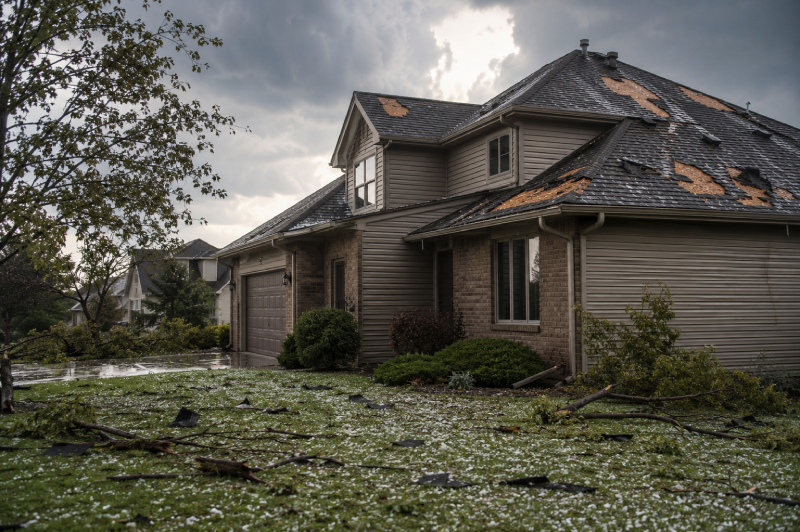
Don't Ignore Missing Shingles
A few missing shingles may not seem like a big deal, but they can expose your roof to leaks, water damage, and expensive repairs. A professional inspection after a storm can help catch hidden damage before it gets worse.
Summary
Missing shingles after a storm may seem like a small problem, but they can leave your roof vulnerable to leaks, water damage, and more expensive repairs if left unaddressed. High winds, hail, and severe weather can loosen or remove shingles, exposing your roofing system to the elements. Learn what warning signs to look for, when to file an insurance claim, and what Illinois homeowners should do to protect their homes.
Need Roof Repair After a Storm?
Baney Construction & Restoration helps homeowners throughout Northern & Southern Illinois with storm damage inspections, roof repair, insurance claim assistance, and roof replacement. Contact our team today for a free roof inspection and let us help determine whether your storm damage is covered by homeowners insurance.
Why Missing Shingles Should Never Be Ignored
After a storm, it's easy to overlook a few missing shingles, especially if your roof isn't leaking. However, shingles are your roof's first line of defense against rain, wind, and other weather conditions. Once they are gone, the roofing materials beneath them become exposed to moisture, UV rays, and additional storm damage.
Even one missing shingle can allow water to work its way beneath the surface of your roof. Over time, this water intrusion can damage roof decking, insulation, and other structural components inside your home. What begins as a relatively inexpensive roof repair can eventually turn into a much larger and more costly roof replacement.
For Illinois homeowners, acting quickly after severe weather can help prevent future roof damage and reduce repair costs. A professional roof inspection can determine whether your roof sustained hidden storm damage that isn't visible from the ground.
One Missing Shingle Can Lead to Bigger Problems
Many homeowners assume a single missing shingle isn't a serious concern, but that small opening can expose your roofing system to the elements. Wind-driven rain can enter beneath surrounding shingles, eventually causing roof leaks, mold growth, damaged insulation, and water stains on ceilings.
The sooner missing shingles are repaired, the less likely they are to develop into larger roofing problems that require extensive repairs.
Illinois Storms Can Cause Hidden Roof Damage
Northern Illinois experiences severe weather throughout the year, including high winds, hail, heavy rain, and snow. While missing shingles are one of the most obvious signs of storm damage, they are often accompanied by less visible issues such as damaged flashing, lifted shingles, dented gutters, or compromised roof valleys.
That's why many roofing experts recommend scheduling a professional roof inspection after a major storm, even if your roof appears to be in good condition. Hidden damage can continue to worsen long after the storm has passed.
What Causes Shingles to Blow Off?
Missing shingles are most commonly caused by severe weather, but storms are not always the only reason they come loose. Understanding why shingles fail can help homeowners recognize potential problems before they lead to leaks or additional damage.
High winds are one of the leading causes of missing shingles. Strong gusts can lift the edges of shingles, breaking their seal and eventually pulling them away from the roof. Hail can also crack or weaken shingles, making them more likely to come loose during future storms.
Age is another important factor. As roofing materials get older, they naturally become more brittle and less resistant to wind damage. If your roof is nearing the end of its lifespan, severe weather is much more likely to cause damage.
Other common causes include poor installation, improper attic ventilation, manufacturing defects, and normal wear and tear. While some of these issues may not be covered by homeowners insurance, damage caused by wind and hail is usually covered under many homeowner insurance policies.
Common Causes of Missing Shingles
High winds during severe storms
Hail damage
Aging roofing materials
Normal wear and tear
Improper installation
Roofs nearing the end of their lifespan
Previous storm damage that weakened the shingles
How to Check for Roof Damage Safely
After a storm, it's important to inspect your home for signs of roof damage, but safety should always come first. Never climb onto your roof immediately after severe weather. Wet shingles, hidden structural damage, and high winds can make walking on a roof extremely dangerous.
Instead, begin your inspection from the ground. Walk around your home and look for obvious signs of damage, including missing shingles, shingles lying in your yard, pieces of flashing, or roofing granules collecting near downspouts. Also inspect your gutters, siding, chimney, and other exterior components for signs that debris or hail may have caused damage.
If you suspect storm damage, take clear photos and videos of anything you notice. This documentation can be helpful if you need to file an insurance claim later. Once you've documented the damage, schedule a professional roof inspection to determine whether additional repairs are needed.
What to Look for After a Storm
Even if your roof looks fine from a distance, there may be warning signs that indicate storm damage. As you inspect your property, watch for:
Missing or lifted shingles
Cracked, curled, or torn shingles
Hail damage to shingles, gutters, or downspouts
Damaged roof flashing around chimneys or vents
Roofing granules collecting in gutters
Bent or detached gutters
Water stains on ceilings or walls inside your home
Tree branches or other debris on the roof
Some damage isn't visible from the ground, which is why a professional roof inspection is one of the best ways to assess the condition of your roof after severe weather.
What Happens If You Ignore Missing Shingles?
Ignoring missing shingles can allow a relatively minor roofing problem to become much more serious. Once the protective layer of your roof has been compromised, rainwater can penetrate the roofing system and begin damaging the materials underneath.
Over time, water intrusion can lead to roof leaks, damaged insulation, mold growth, wood rot, and structural damage. You may begin noticing water stains on ceilings, peeling paint, or musty odors inside your home. In some cases, damage can spread for months before it becomes visible.
Delaying repairs can also increase the overall cost of fixing your roof. A simple roof repair today may prevent the need for a full roof replacement later. Addressing storm damage as soon as possible helps protect your home, reduces repair costs, and minimizes the risk of future roof damage.
Small Problems Can Lead to Expensive Repairs
Storm damage rarely gets better on its own. Missing shingles leave nearby shingles more vulnerable to lifting during future storms, allowing even more water to enter your roof system.
Taking care of small issues quickly can help prevent thousands of dollars in future repairs while extending the life of your roof. If you notice missing shingles after a storm, scheduling a professional inspection is one of the smartest steps you can take.
Will Homeowners Insurance Cover Missing Shingles?
One of the first questions many homeowners ask after a storm is whether homeowners insurance will cover the damage. In many cases, the answer is yes. Damage caused by high winds, hail, and other covered weather events is usually covered under homeowner insurance policies. However, coverage depends on the cause of the damage and the specific terms of your insurance policy.
Insurance companies generally distinguish between sudden storm damage and damage caused by normal wear and tear. If your roof is in poor condition because of age or lack of maintenance, your insurance provider may deny your claim or only cover a portion of the repair costs. If the storm is what caused the missing shingles, there's a much better chance the damage will be covered.
A professional roof inspection can help determine whether the damage was caused by a recent storm and provide documentation that may support your insurance claim. Working with a reputable roofing contractor can also help ensure all storm damage is identified before repairs begin.
When Roof Damage Is Usually Covered by Insurance
Most homeowners insurance policies cover sudden damage caused by events such as:
High winds
Hail damage
Fallen tree limbs
Wind-driven debris
Other covered severe weather events
If a storm caused your missing shingles, damaged flashing, or created a roof leak, your insurance company will often cover the repair costs after your deductible has been met. Depending on your policy, reimbursement may be based on replacement cost or actual cash value.
When a Roof Insurance Claim Could Be Denied
Not every roof insurance claim is approved. Insurance companies may deny a damage claim if they determine the roof damage resulted from normal wear and tear, poor maintenance, improper installation, or an aging roof that has reached the end of its lifespan.
Claims can also become more difficult if homeowners wait too long to report the damage. Delaying repairs may allow additional water damage to occur, making it harder to determine what damage was caused by the storm versus what developed afterward.
If your damage claim is denied and you believe the decision was incorrect, discuss the findings with your insurance adjuster, contact your insurance agent for clarification, and ask your roofing contractor to provide additional documentation if needed.
How to File a Roof Insurance Claim in Illinois
If your roof has missing shingles after a storm, filing an insurance claim as soon as possible can help keep the process moving smoothly. While every insurance provider has its own procedures, most claims follow the same general steps.
Start by documenting the damage. Take clear photos and videos of any missing shingles, damaged gutters, dents from hail, fallen tree limbs, or other visible storm damage. If you notice water stains or roof leaks inside your home, document those as well.
Next, contact your insurance company or insurance agent to report the damage and begin the claims process. They will explain your policy, discuss your deductible, and assign an insurance adjuster to inspect your property.
Before the adjuster arrives, schedule a professional roof inspection with a reputable roofing contractor. An experienced contractor can identify damage that may not be obvious from the ground and provide documentation that supports your insurance claim.
Once the insurance adjuster completes their inspection, your insurance company will review the findings and determine what repairs are covered. If your claim is approved, you'll receive information about your payout and what portion of the repair costs you are responsible for based on your policy.
Steps to Filing a Roof Insurance Claim
Following these steps can help make the claims process easier:
Check your roof and property for visible storm damage.
Take photos and videos of all damaged areas.
Protect your home from additional water damage if it is safe to do so.
Contact your insurance company or insurance agent to report the damage.
Schedule a professional roof inspection.
Meet with the insurance adjuster during the inspection if possible.
Review the insurance company's findings before beginning repairs.
Work with a reputable roofing contractor to complete the necessary storm damage repairs.
Keeping organized records throughout the process can help prevent delays and provide valuable documentation if questions arise during your claim.
Why a Professional Roof Inspection Matters
Not all storm damage is immediately visible. While missing shingles are easy to spot, severe weather can also damage flashing, loosen surrounding shingles, dent gutters, and weaken other parts of your roofing system without obvious signs from the ground.
A professional roof inspection provides a complete assessment of your roof's condition. Roofing experts inspect the shingles, flashing, gutters, roof penetrations, attic, and other key components to identify both visible and hidden damage. They also document their findings with photos and written reports that can be helpful when working with insurance companies.
Perhaps most importantly, a professional inspection helps ensure that all storm damage is identified before repairs begin. Missing hidden damage today could lead to roof leaks, water damage, and additional repair costs in the future.
Working with a reputable roofing contractor gives homeowners confidence that repairs are based on the actual condition of the roof rather than only what is visible from the ground.
Roof Repair or Roof Replacement?
Not every roof with missing shingles needs to be replaced. In many cases, a roof repair is all that's needed, especially if the damage is limited to a small area and the rest of the roof is in good condition. However, if the storm caused widespread damage or your roof is nearing the end of its lifespan, a full roof replacement may be the better long-term solution.
The age of your roof is one of the biggest factors. Asphalt shingle roofs typically last 20 to 30 years, depending on the roofing materials, installation quality, and weather conditions. If your roof has already experienced years of wear and tear, repairing a few missing shingles may only provide a temporary fix.
A professional roofing contractor can inspect your roof and recommend the most cost-effective option. They'll consider the extent of the storm damage, the condition of the remaining shingles, and whether future repairs are likely.
Signs Your Roof May Only Need Repairs
A roof repair may be the right choice if:
Only a few shingles are missing or damaged.
The storm damage is limited to one section of the roof.
There are no signs of widespread leaks or structural damage.
Your roof is relatively new and still has many years of expected life remaining.
Matching replacement shingles are available.
Signs It May Be Time for a Roof Replacement
A roof replacement may make more sense if:
Large sections of shingles are missing.
The roof has sustained extensive wind and hail damage.
Multiple leaks have developed throughout the home.
The roof is nearing the end of its expected lifespan.
Previous repairs have become frequent.
Insurance will cover a large portion of the replacement cost.
Replacing an aging roof after a major storm can often prevent repeated repair bills and provide better protection against future severe weather. If your insurance claim is approved, your homeowners insurance may cover much of the replacement cost, depending on your policy and deductible.
How to Help Prevent Future Storm Damage
While no roof is completely immune to severe weather, regular maintenance can reduce the risk of damage and help your roof last longer. Taking a few preventive steps throughout the year can also help you identify small problems before they become expensive repairs.
After every major storm, take a few minutes to inspect your property from the ground. Looking for missing shingles, damaged gutters, or fallen tree limbs can help you catch problems early before water has a chance to enter your home.
Other ways to protect your roof include:
Schedule a professional roof inspection once a year.
Inspect your roof after high winds, hail, or severe storms.
Keep gutters and downspouts free of leaves and debris.
Trim tree branches that hang over your roof.
Replace damaged or loose shingles promptly.
Watch for water stains on ceilings or in the attic.
Address minor roof repairs before they become larger problems.
Regular maintenance not only helps protect your home but can also make it easier to document the condition of your roof if you ever need to file an insurance claim after a storm.
Final Thoughts
Missing shingles after a storm are more than just a cosmetic issue. They can expose your roof to water intrusion, increase the risk of leaks, and lead to expensive repairs if the damage isn't addressed quickly. Whether the shingles were blown off by high winds or damaged by hail, taking action early can help protect your home and prevent future roof damage.
If you notice missing shingles, don't assume the damage is limited to what you can see from the ground. A professional roof inspection can identify hidden problems, determine whether repairs or a roof replacement are needed, and provide the documentation necessary if you decide to file an insurance claim.
For Illinois homeowners, responding quickly after severe weather can make the insurance claims process easier and help reduce the risk of additional damage. The sooner your roof is inspected, the sooner you can restore your home's protection and avoid more costly repairs down the road.
Schedule Your Free Roof Inspection Today
If your roof has missing shingles after a storm, Baney Construction & Restoration is ready to help. Our experienced team provides professional roof inspections, storm damage repairs, insurance claim assistance, and roof replacement services throughout Northern & Southern Illinois. Contact us today to schedule your free inspection and let us help protect your home before the next storm arrives.
Frequently Asked Questions
Can one missing shingle cause a roof leak?
Yes. Even a single missing shingle can expose the roofing materials underneath to rain and moisture. Over time, water can seep beneath surrounding shingles, leading to leaks, damaged roof decking, mold growth, and interior water damage.
Does homeowners insurance cover missing shingles?
In many cases, yes. If the shingles were damaged or blown off by a covered event like high winds or hail, homeowners insurance will often cover the repair costs after your deductible is met. Damage caused by normal wear and tear or poor maintenance is typically not covered.
Should I climb onto my roof to inspect missing shingles?
No. It's safest to inspect your roof from the ground using binoculars if necessary. Look for missing shingles, damaged gutters, fallen debris, and roofing granules around your home. Then schedule a professional roof inspection to assess any damage that may not be visible.
How long do I have to file a roof insurance claim in Illinois?
The deadline depends on your homeowners insurance policy. Many insurance companies require homeowners to report storm damage promptly, so it's best to contact your insurance company or insurance agent as soon as you discover the damage. Waiting too long could complicate the claims process.
Should I repair my roof or replace it?
That depends on the extent of the storm damage, the age of your roof, and the condition of the remaining shingles. Minor damage can often be repaired, while older roofs or roofs with widespread wind and hail damage may benefit from a full roof replacement. A professional roofing contractor can help determine the best solution.
What should I do immediately after a storm damages my roof?
Start by checking your property from the ground for signs of damage. Take photos and videos, protect your home from additional water damage if it's safe to do so, contact your insurance company, and schedule a professional roof inspection. Acting quickly can help prevent further damage and make the insurance claim process smoother.