
When Should You Replace Your Siding? 7 Warning Signs for Rockford, IL Homeowners
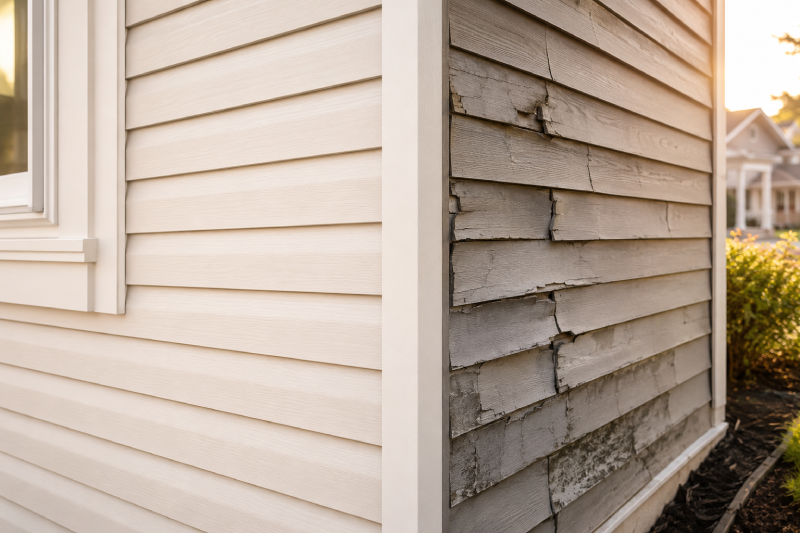
Don’t Ignore Damaged Siding
Cracked, warped, loose, or missing siding can leave your home exposed to moisture, pests, and further exterior damage. If you notice siding problems after a storm or signs of wear across multiple areas, a professional inspection can help determine whether repair or siding replacement is the better option.
Summary
Rockford homeowners should consider siding replacement when they notice widespread cracking, warping, rot, moisture damage, repeated repairs, rising heating and cooling costs, severe fading, or hail and storm damage. The age and material of your siding also matter. Vinyl siding, wood siding, aluminum siding, and fiber cement siding all age differently.
If the damage is limited to a small section, a siding contractor may be able to make a repair. When damage affects several areas or the siding is already nearing the end of its expected life, a full siding replacement may be the better long-term option.
Not Sure Whether You Need Siding Repair or Replacement?
Baney Construction & Restoration, Inc. provides professional siding services for homeowners in Rockford and throughout Northern Illinois. Our team can inspect your home’s exterior, identify damaged areas, and help you determine whether repair or full replacement makes sense.
Schedule a free estimate with Baney Construction & Restoration, Inc. to have your siding inspected and discuss the best option for your home.
Your home’s siding does much more than give your exterior a finished look. It helps keep moisture, wind, pests, and harsh weather away from the structure of your home. In Rockford, IL, siding also has to stand up to hot summers, freezing winters, hail, strong winds, and repeated freeze-thaw cycles.
Most siding materials are built to last for many years, but no siding lasts forever. Damage may start with a few loose panels or a small warped area before turning into moisture problems, rot, poor insulation, or damage beneath the siding. Waiting too long can turn what was once a manageable siding project into a much larger exterior repair.
Knowing the warning signs can help you determine when a repair may be enough and when it’s time to replace your siding.
How Long Does Siding Typically Last in Rockford, IL?
There isn’t one replacement schedule that applies to every home. How long siding lasts depends on the siding material, quality of the original siding installation, maintenance, sun exposure, moisture, and the weather conditions the home has faced over the years.
That last factor is particularly important for homeowners in Rockford. Northern Illinois homes experience large temperature swings throughout the year. Siding can expand during hot weather and contract when temperatures fall. Water that gets behind damaged siding can also freeze and expand during winter, making existing cracks and gaps worse.
Different siding materials also have different service lives and maintenance needs.
Vinyl Siding
Vinyl siding is a popular choice because it is affordable, low-maintenance, and designed to withstand a wide range of weather conditions. Quality vinyl siding can last for decades when installed correctly, but older siding may become brittle, cracked, faded, or warped over time.
Individual vinyl panels can sometimes be replaced after isolated damage. Widespread deterioration across several walls may make new siding a better choice than continuing to repair individual sections.
Fiber Cement and James Hardie Siding
Fiber cement siding, including James Hardie fiber cement products, is another option for Rockford homeowners who want durable siding without constant maintenance. Fiber cement can handle temperature changes well and provides strong resistance against many common forms of exterior damage.
It still needs proper installation and routine inspection. Cracks, gaps, damaged caulking, or moisture problems should be addressed before water reaches the materials underneath.
Wood and Aluminum Siding
Wood siding can provide a classic appearance, but it generally requires more maintenance than vinyl or fiber cement siding. Moisture intrusion can lead to peeling paint, soft areas, mold, and rot if problems are left untreated.
Many older homes also have aluminum siding. Aluminum does not rot like wood, but it can dent from hail, fade, become loose, or develop other visible damage as it ages.
Rather than replacing siding based only on its age, homeowners should look at its current condition. Older siding that is still performing properly may have years of life remaining, while newer siding with widespread storm or installation damage may need attention much sooner.
7 Signs You May Need Siding Replacement
Some siding problems are easy to spot from the yard. Others show up inside the home or around windows and doors before homeowners realize the siding is involved. The following warning signs can help you determine when it is worth having a professional siding contractor inspect the exterior.
1. Cracked, Loose, or Missing Siding
Cracks and missing panels leave parts of your home’s exterior more exposed to rain, snow, wind, and pests. Even relatively small openings can allow water to reach the house wrap, insulation, sheathing, or other materials behind the siding.
High winds are a common cause of loose siding. Once a panel begins pulling away from the home, another storm can make the damage worse or remove the panel completely. Hail can also crack vinyl siding or leave dents and impact marks on other siding materials.
A single damaged panel does not automatically mean you need a full siding replacement. If the rest of the siding is in good condition and matching material is available, a repair may be enough.
The situation changes when cracked, loose, or missing siding appears across several areas of the home. Widespread visible damage often indicates that the siding system as a whole is aging or has been affected by severe weather.
2. Siding Is Warped, Buckled, or Pulling Away From the House
Siding should generally sit flat and consistent against the exterior. Panels that bow outward, buckle, ripple, or pull away from the home deserve a closer look.
Warping can happen for several reasons. Vinyl siding may have been installed too tightly, preventing it from expanding and contracting as temperatures change. Excessive heat can also deform some vinyl products. In other situations, warped siding may be connected to moisture or deterioration underneath the panels.
This is one reason homeowners should avoid judging siding only by what they can see from the ground. A siding contractor can inspect warped areas and determine whether the problem is limited to the siding itself or whether there is damage underneath.
If warping affects only a small section, repair may still be possible. If it appears throughout the exterior, replacing the old siding may be the more practical option.
3. You Find Rot or Signs of Moisture Damage
Moisture is one of the biggest concerns when siding begins to fail. Your siding helps protect the layers underneath it from rain, melting snow, and other sources of water. Once that protection is compromised, moisture can find its way behind the exterior.
Watch for signs such as:
Soft or rotting areas
Mold or mildew growth
Peeling or bubbling paint
Water stains on interior walls
Swollen siding materials
Gaps around windows and doors
Damaged or deteriorating trim
Persistent damp areas after rain
Wood siding is especially susceptible to rot, but moisture problems can occur behind vinyl, aluminum, and fiber cement siding as well.
The siding itself may not always be the original source of the water. Problems with the roof, gutter system, flashing, windows, or exterior penetrations can allow moisture into areas behind the siding.
That makes finding the source just as important as replacing the damaged material. Installing new siding without correcting an existing water problem can allow the same damage to happen again.
For Rockford homeowners, moisture deserves extra attention before winter. Water trapped behind siding can freeze as temperatures fall. Repeated freeze-thaw cycles can make openings larger and cause additional exterior damage over time.
4. You’re Constantly Repairing Your Siding
An occasional siding repair is normal, especially after a strong storm. But if you find yourself repairing loose panels, cracks, gaps, or damaged sections every year, it may be time to consider whether those repairs are still worth it.
This becomes more common with older siding. As vinyl siding ages, for example, it can become more brittle and susceptible to cracking. Replacing one damaged panel may solve today’s problem, only for another section to fail during the next round of severe weather.
There can also be problems finding replacement materials that match older siding. Manufacturers change colors, profiles, and product lines over time. Even when a similar panel is available, years of sun exposure can make it difficult to match the existing siding.
A professional siding inspection can help determine how widespread the deterioration has become. When damage is limited to one area and the surrounding siding is still in good condition, repair usually makes sense. When problems keep appearing throughout the home’s exterior, a full siding replacement can provide better long-term value.
5. Your Home Has Become Harder to Heat or Cool
Your siding is only one part of your home’s exterior system, but problems with the siding, house wrap, insulation, windows, or air sealing can affect how comfortable your home feels.
Rockford homeowners deal with both sides of this problem. During winter, gaps and poorly insulated exterior walls can allow heated air to escape. During hot Illinois summers, the same problems can make it harder to keep the home cool.
You may notice:
Certain rooms feel colder or hotter than others
Drafts near exterior walls, windows, or doors
Heating and cooling systems running more often
Unexplained increases in energy use
Cold exterior walls during winter
Older siding with little insulation underneath
Higher energy bills alone do not mean you need new siding. HVAC problems, windows, attic insulation, air leaks, and other parts of the home can cause similar issues.
However, if your home has older siding and you are already experiencing other signs of siding failure, energy efficiency is worth considering when deciding whether to replace it. A siding replacement project also gives the contractor access to the exterior wall system, making it possible to address certain insulation or air-sealing issues before the new siding installation is completed.
6. Your Siding Is Severely Faded or Showing Its Age
Faded siding does not always mean it has failed. Years of sunlight and exposure to the elements can change the appearance of siding while it continues to protect the home.
The bigger concern is when fading appears alongside other signs of deterioration.
Older vinyl siding may become brittle as it ages. Wood siding may require increasingly frequent painting or show signs of cracking and rot. Aluminum siding may become heavily faded, dented, or loose. Older exterior materials may also lack some of the durability and performance available with newer siding products.
Take a walk around your home and look at the siding from several angles. Pay particular attention to areas around windows and doors, corners of the house, sections near the roof, and walls that receive heavy sun or weather exposure.
If the siding is simply faded but otherwise in good condition, replacement may be primarily a cosmetic decision. If you also find cracks, loose sections, warping, rot, or recurring repairs, the appearance may be another indication that the siding is nearing the end of its service life.
Replacing older siding can also give your home a fresh exterior appearance while allowing you to choose a siding material that better fits the amount of maintenance you want to perform in the future.
7. Your Siding Has Hail or Storm Damage
Severe weather can change the condition of your siding in a matter of minutes.
Rockford and the surrounding Northern Illinois area can experience thunderstorms, strong winds, hail, heavy rain, snow, and ice. Siding that looked fine before a storm may have cracks, dents, holes, or loose panels afterward.
Storm damage can look different depending on the siding material. Hail may crack or puncture vinyl siding, while aluminum siding can develop noticeable dents. High winds can loosen panels or pull siding away from the home.
Some damage is difficult to see unless you know where to look. Hail impacts can be easier to spot on certain sides of the house depending on the direction of the storm. Damage may also appear on the roof, gutters, downspouts, window trim, and other exterior surfaces.
If you suspect storm damage, check for:
Cracked or broken siding
Missing or loose panels
Holes or punctures
Hail impact marks
Dented aluminum siding
Damaged trim
Gaps between siding panels
Roof or gutter damage from the same storm
Avoid waiting for a leak before having storm damage inspected. Siding protects your home from the weather, and an opening that appears small from outside can still allow moisture behind the exterior.
If the damage is widespread, a full siding replacement may be needed. Smaller areas may be repairable depending on the siding material, age, availability of matching materials, and extent of the damage.
Homeowners who believe their siding was damaged by hail or another covered weather event may also want to review their homeowners insurance policy. Coverage varies by policy and cause of damage, so document what you see and contact your insurance company if you plan to file a claim.
Baney Construction & Restoration, Inc. can inspect siding, roofing, gutters, and other exterior areas after severe weather to help identify visible storm damage.
Siding Repair vs. Full Siding Replacement: Which Do You Need?
Finding siding damage does not automatically mean the entire house needs new siding.
In many cases, siding repair is the right choice. A few damaged vinyl panels after a storm, for example, may be replaceable without removing siding from the rest of the house.
The decision becomes more difficult when the siding is older or damage is spread across several areas.
A siding contractor will typically consider the age of the siding, siding material, amount of visible damage, condition of the materials underneath, availability of matching replacement siding, and likelihood that additional areas will need repairs soon.
Repair may make sense when:
Damage is isolated to a small area
The remaining siding is in good condition
Matching replacement material is available
There is no widespread moisture or rot
The siding still has plenty of expected service life
Full replacement may make more sense when:
Damage appears on several sides of the home
The siding is old and becoming brittle
Rot or moisture damage is widespread
Panels repeatedly loosen, crack, or warp
Matching old siding is difficult or impossible to find
A large portion of the siding was damaged by severe weather
The goal should not be to replace more siding than necessary. It should be to determine which option properly protects your home and makes financial sense over the coming years.
Choosing the Right Siding for Your Rockford, IL Home
Once you decide you need new siding, the next question is what type to install.
There is no single right siding material for every Rockford home. Cost, appearance, maintenance, durability, and the existing structure can all affect the decision.
Vinyl Siding
Vinyl remains one of the most common siding materials for residential homes. It is low-maintenance, available in many colors and profiles, and does not require routine painting.
For homeowners who want an attractive exterior without constant maintenance, vinyl can be a practical option. Proper siding installation is important because vinyl needs room to expand and contract as temperatures change throughout the year.
James Hardie Fiber Cement Siding
James Hardie fiber cement siding is another option for homeowners who place a high priority on durability and appearance.
Fiber cement siding can provide the look of traditional wood siding without many of the maintenance demands associated with natural wood. It is designed to handle demanding exterior conditions and is available in several styles and finishes.
Because fiber cement is heavier and installed differently than vinyl, professional siding installation is especially important.
Wood and Other Siding Materials
Wood siding remains an option for homeowners who prefer its natural appearance, although it generally requires more ongoing maintenance. Aluminum siding is also still found on many older homes throughout the Rockford area.
When choosing the right siding, consider more than the initial material price. Maintenance requirements, expected service life, installation costs, energy performance, warranties, and future repair needs all affect the long-term cost of the project.
A siding contractor can walk you through the available materials and help you choose the best option for your home and budget.
Why Professional Siding Installation Matters
Even high-quality siding can develop problems if it is installed incorrectly.
Siding installation involves more than fastening panels to the side of a house. Contractors need to properly address corners, windows, doors, flashing, trim, penetrations, moisture management, and transitions between different exterior materials.
The existing siding also needs to be removed carefully during a full replacement so the contractor can inspect what is underneath. If damaged sheathing, rot, or another problem is discovered, it should be addressed before the new siding goes on.
Proper installation is particularly important in Northern Illinois because the exterior must handle major temperature changes throughout the year. Materials need to be installed according to manufacturer requirements so they can perform as intended during hot summers and freezing winters.
Working with a licensed and insured siding contractor also gives homeowners someone to turn to if questions come up during or after the siding project.
Is It Time to Replace Your Siding?
You do not need to wait until siding begins falling off the house to start thinking about replacement.
Cracks, warping, rot, recurring repairs, storm damage, and widespread deterioration can all indicate that your home’s siding is no longer doing its job as well as it should. Catching these warning signs early can also give you more time to compare materials and plan the project instead of dealing with an urgent exterior repair.
For homeowners in Rockford, siding condition is especially important because the exterior has to handle everything from summer thunderstorms and hail to freezing temperatures, snow, and repeated freeze-thaw cycles.
If you are unsure about the condition of your siding, Baney Construction & Restoration, Inc. can inspect the exterior and help determine whether repair or full siding replacement is the right choice.
Get a Free Siding Estimate in Rockford, IL
Baney Construction & Restoration, Inc. provides siding installation and exterior remodeling services for homeowners in Rockford and throughout Illinois. Whether you have old siding, visible storm damage, or simply think it may be time for an exterior update, our team can inspect your siding and discuss your options.
Schedule a free estimate with Baney Construction & Restoration, Inc. and find out what your home’s siding needs.
Frequently Asked Questions
How often should homeowners replace siding?
There is no set replacement schedule for every home. Siding lifespan depends on the material, installation quality, maintenance, weather exposure, and whether it has suffered storm or moisture damage. Instead of replacing siding based on age alone, look for physical warning signs and have older siding inspected if you are unsure about its condition.
How do I know if I need siding repair or full replacement?
Small, isolated areas of damage can often be repaired. Full siding replacement becomes more likely when damage is widespread, the existing siding is brittle or deteriorating, moisture has reached materials underneath, or matching replacement panels are no longer available. An inspection can help determine whether repair or full replacement makes more sense.
What type of siding is best for Rockford, IL weather?
Vinyl siding and fiber cement siding are both commonly used in climates with changing seasons. The right siding depends on your budget, preferred appearance, maintenance expectations, and the construction of your home. Proper installation is just as important as choosing the siding material.
Does homeowners insurance cover siding damaged by hail or wind?
Homeowners insurance may cover siding damaged by a covered event such as hail or wind, but coverage depends on your specific policy and the cause of the damage. Wear and tear, age, and maintenance-related deterioration are generally treated differently from sudden storm damage. Contact your insurance company for details about your coverage and claims process.
How long does professional siding installation take?
Project length depends on the size of the home, siding material, weather, amount of preparation required, and whether contractors find damaged materials after removing the old siding. Your siding contractor should provide a project timeline after inspecting the home and determining the scope of work.